Sundays 9/8c
Interview With The Vampire
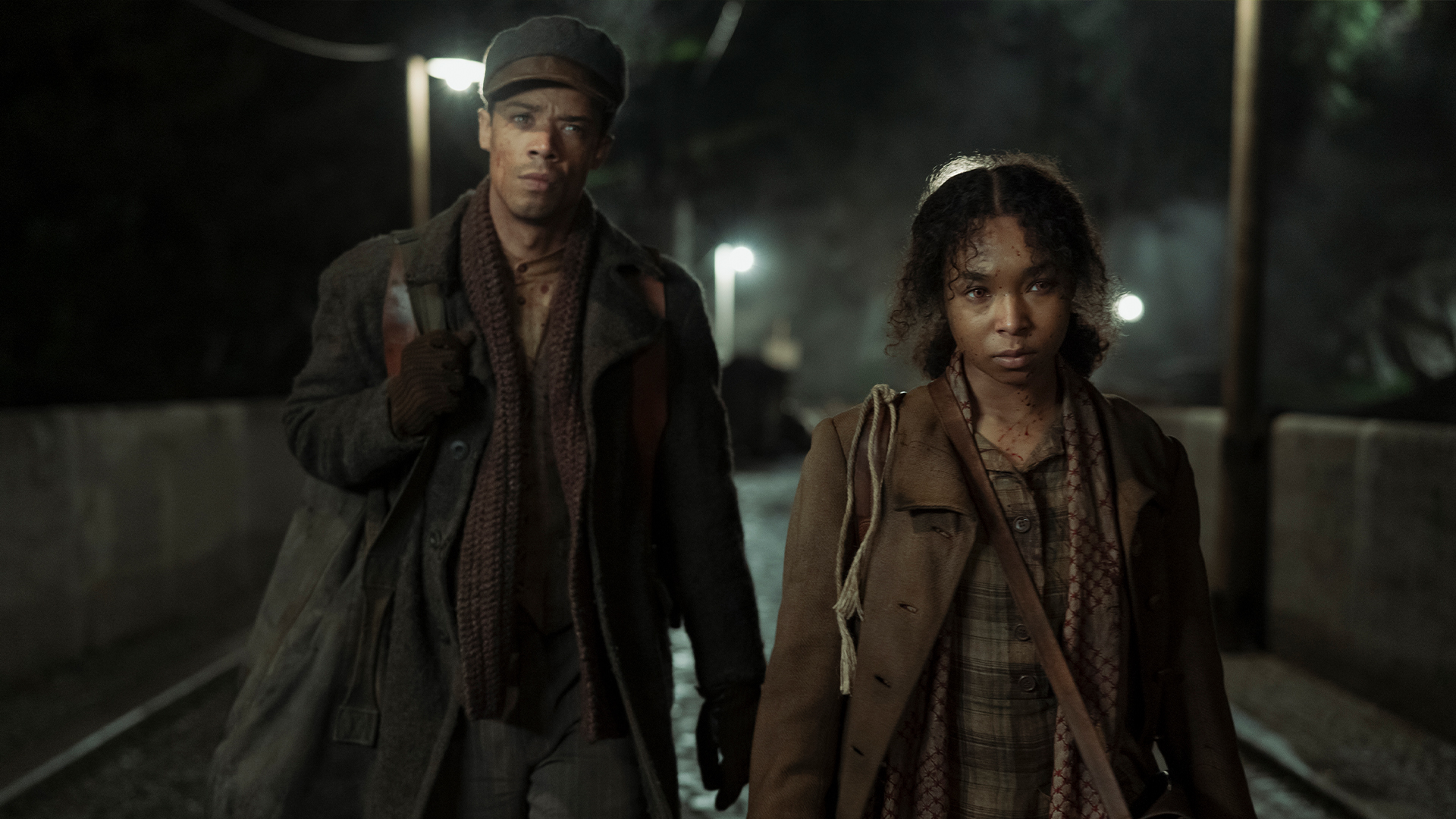
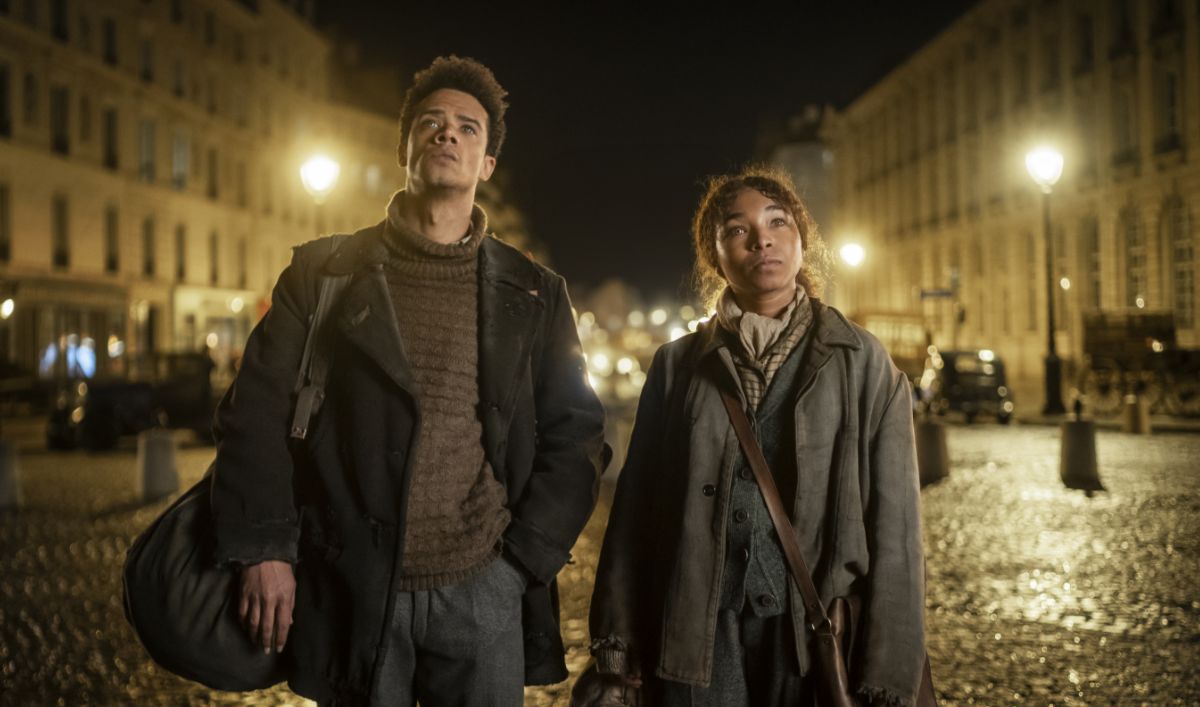
Louis recounts Claudia's quest to find Old World Vampires amidst the backdrop of WWII Europe.Latest Episodes

S1, E1
Lap of Legends
The first ever real vs. virtual race. Andretti, Mansell, Prost, Hill, Villeneuve, and Button will return to the track as AI racers. To compete against one real driver: Logan Sargeant.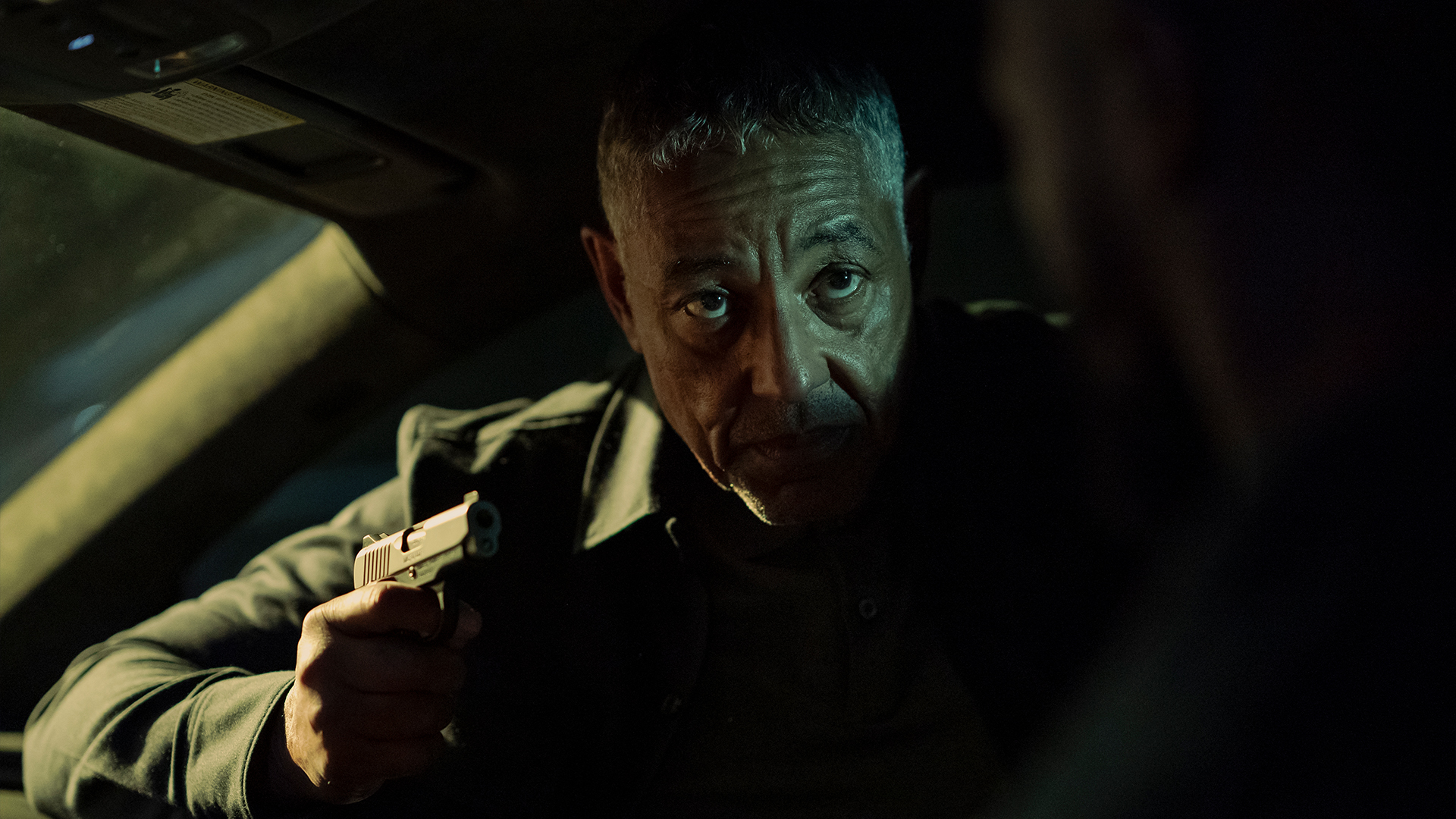
S1, E6
Parish
Gray discovers unlikely allies as he risks it all for revenge. The Tongais level up their operation, but face an unforeseen obstacle.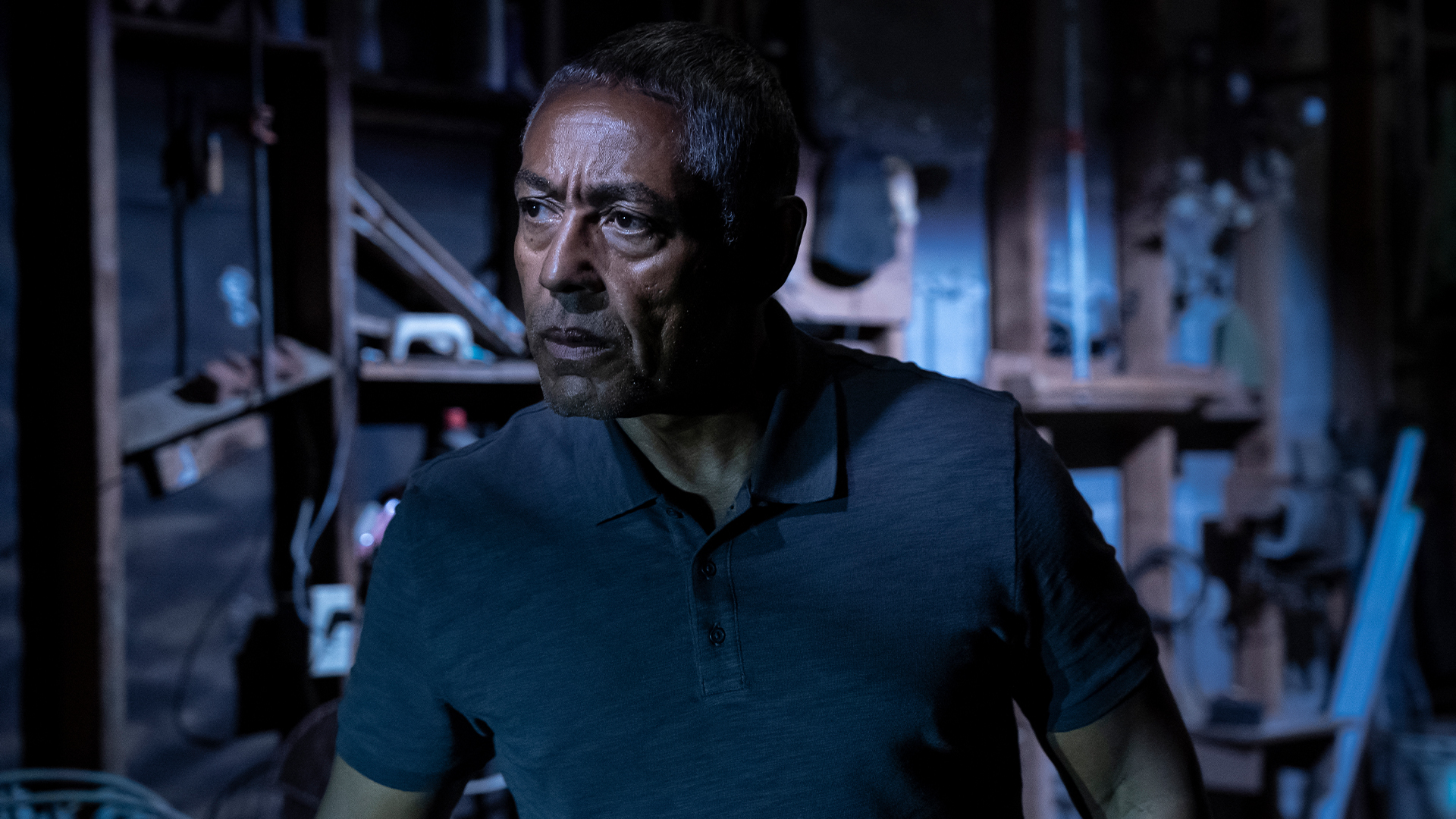
S1, E5
Parish
Gray and his family face a terrible new normal and reckon with past trauma. Horse singles out the enemy within while expanding his business. He makes Gray an offer he can't refuse.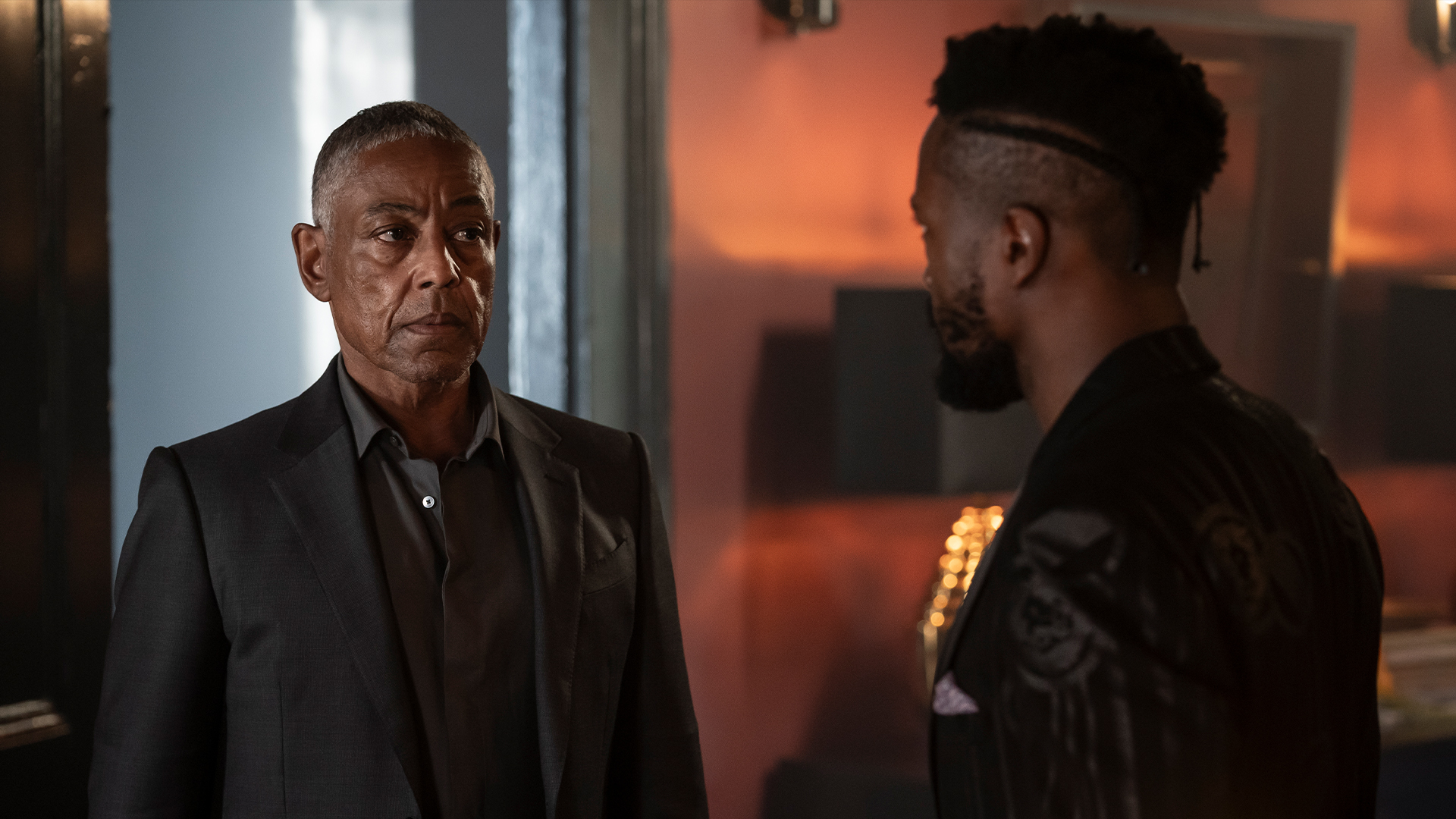
S1, E4
Parish
When Anton, an old colleague, learns Gray is working with the Tongais, he forces Gray to choose: his family or Horse. Rose and Makayla work together to survive. Horse searches for a traitor.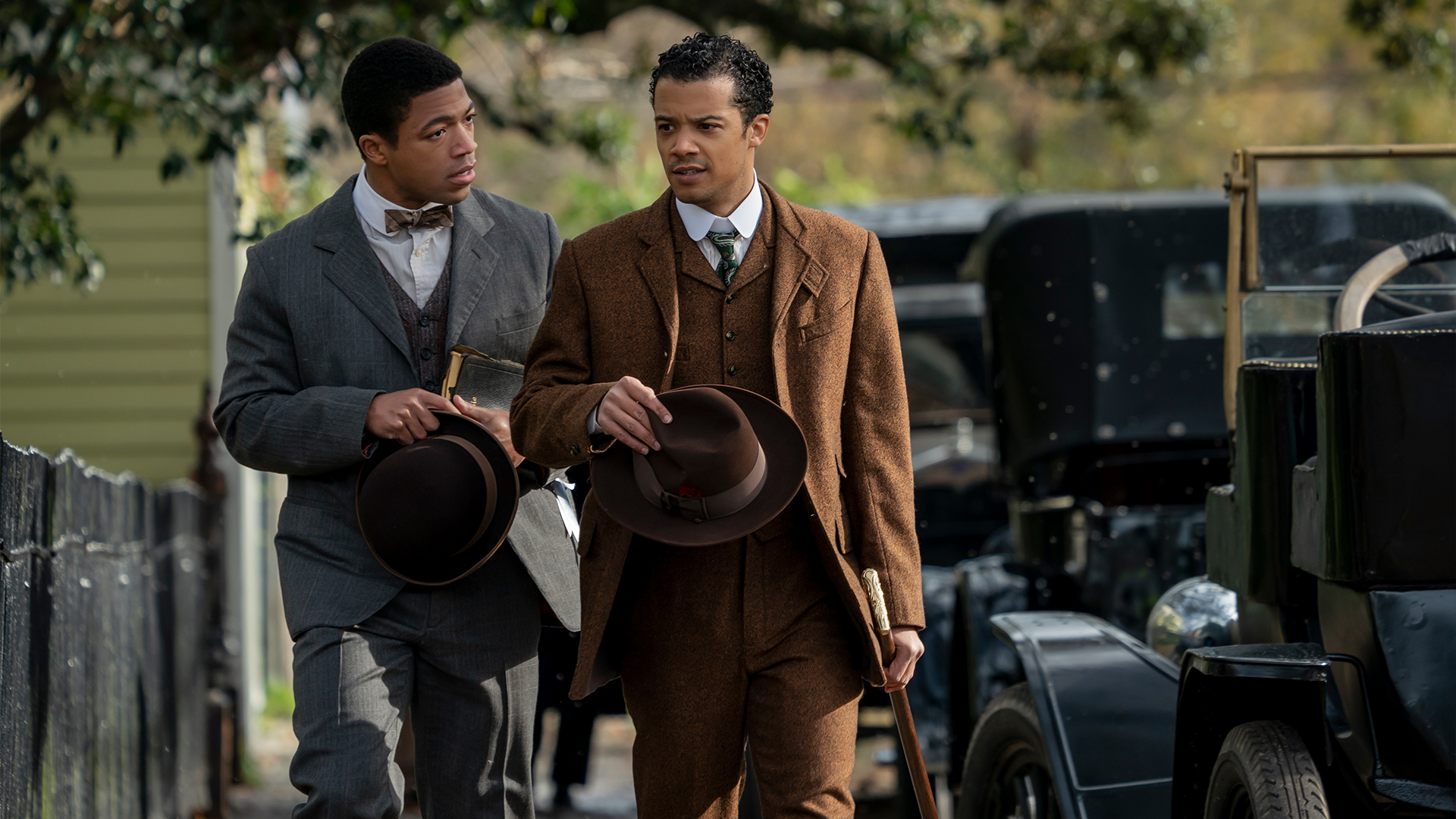
S1, E1
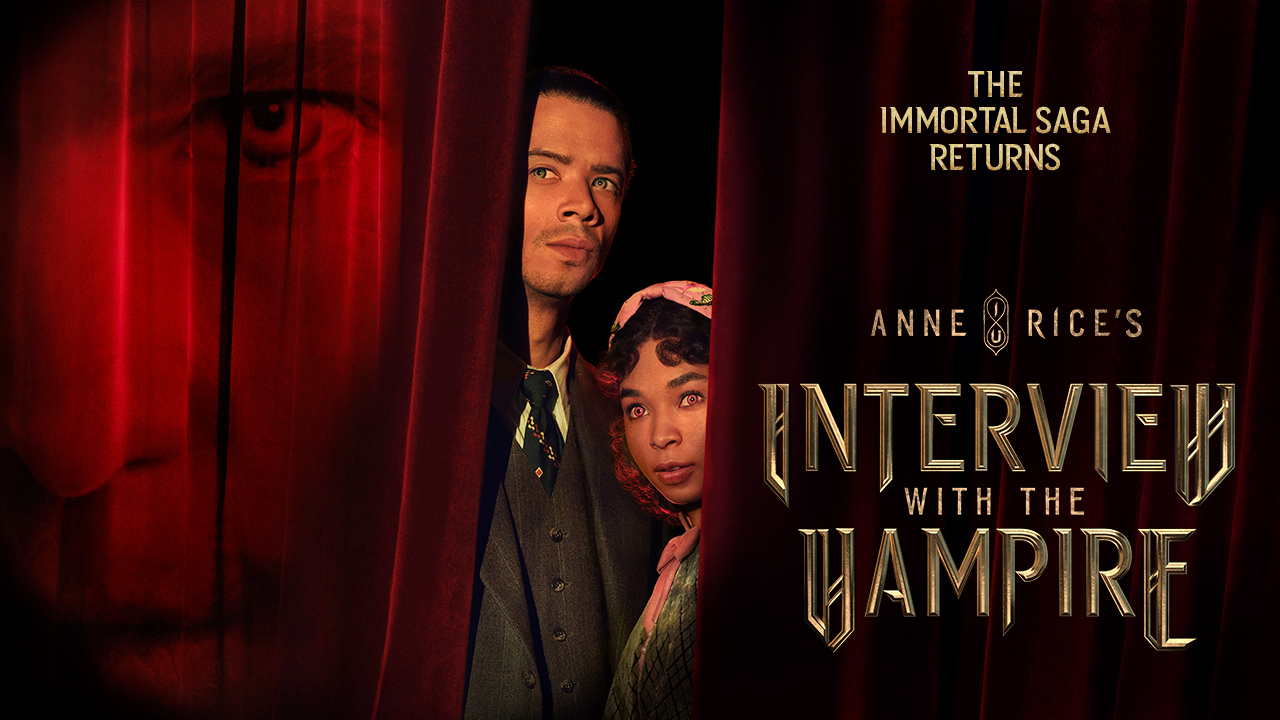
Interview With The Vampire
Louis de Pointe du Lac lives in 1910 New Orleans as executor-in-charge of his family's fortune. When he meets the vampire Lestat, Louis' life begins to unravel in otherworldly ways. 110 years later, Louis tells his story to journalist Daniel Molloy.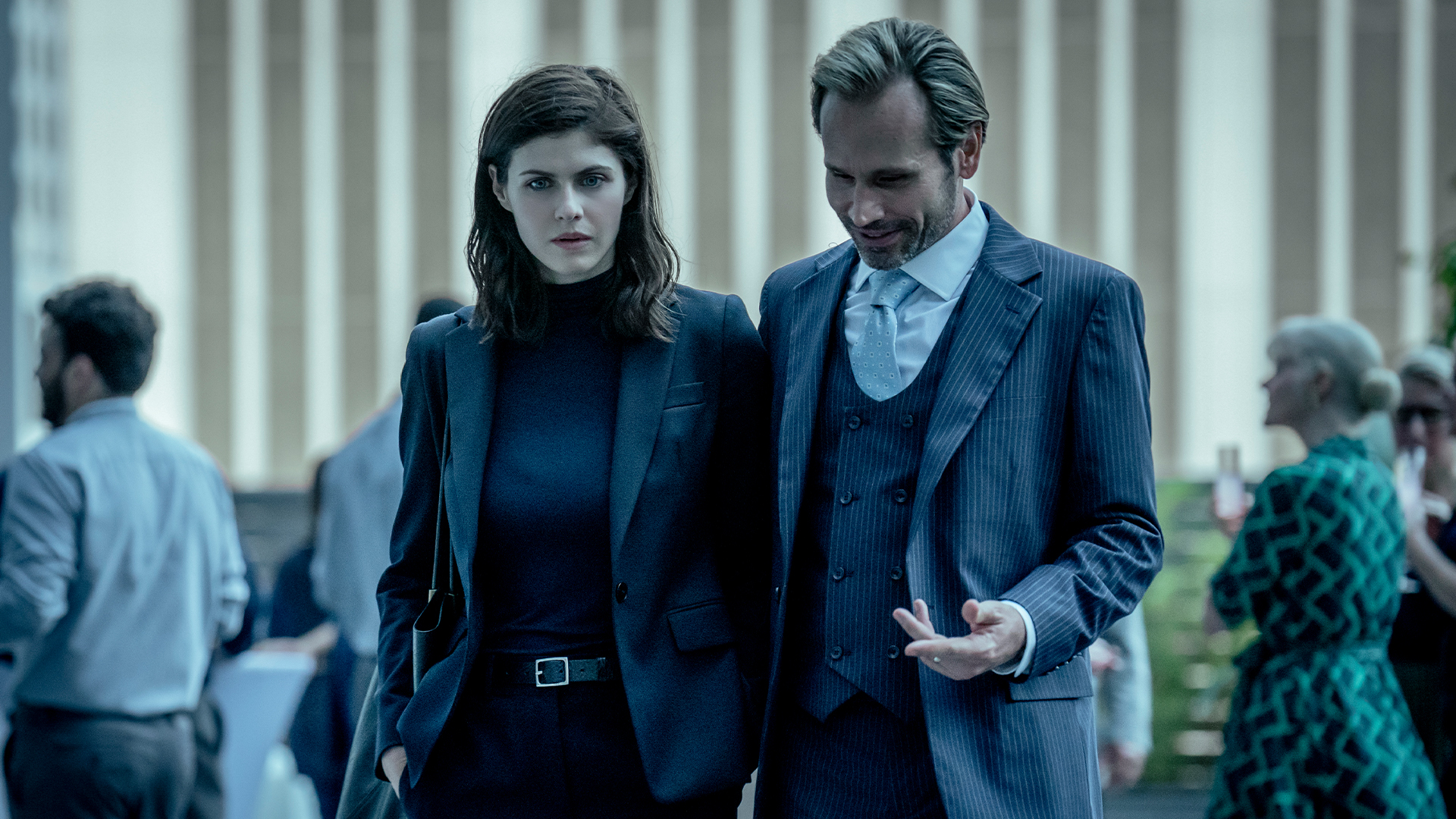
S1, E1
Mayfair Witches
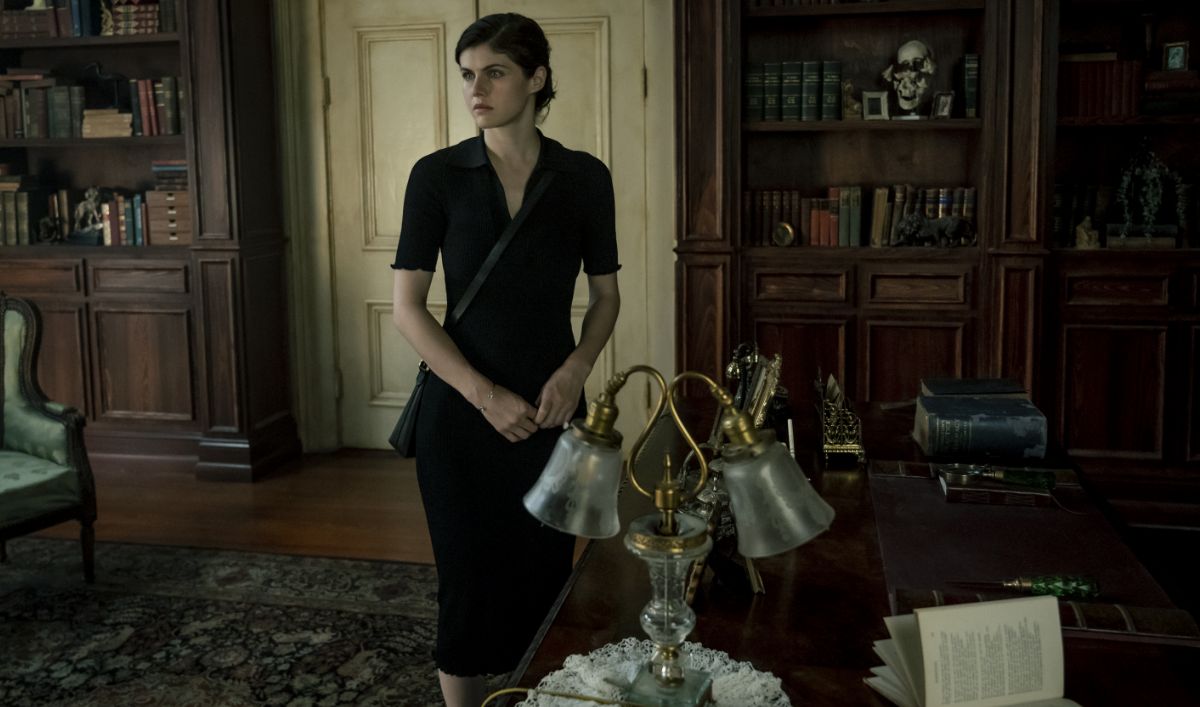
Neurosurgeon Rowan Fielding has a problem - when she gets mad, she kills with her mind. Her search for answers sends her toward her secretive biological family. In New Orleans, Deirdre Mayfair is desperate to escape from her aunt's oppressive house.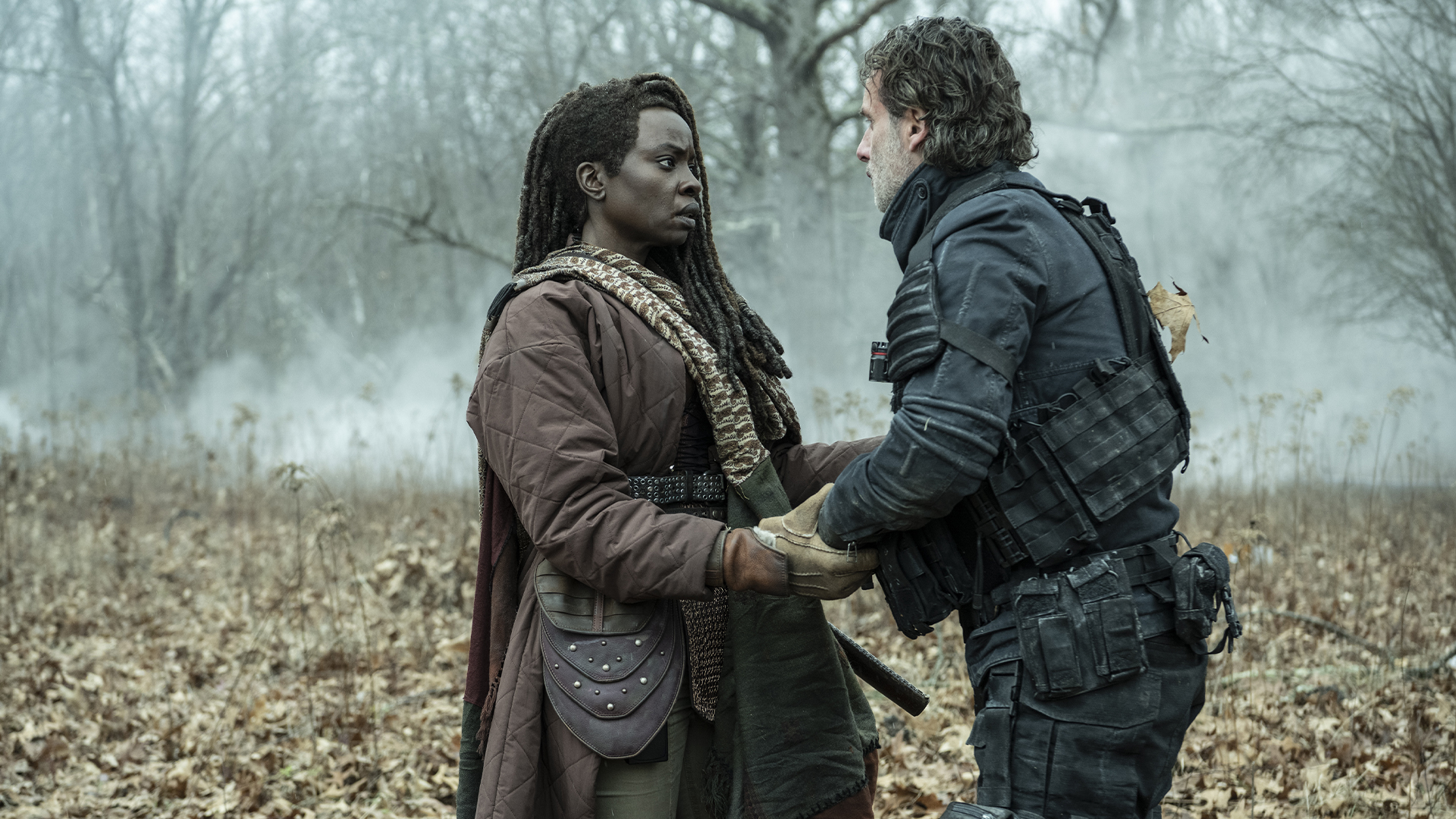
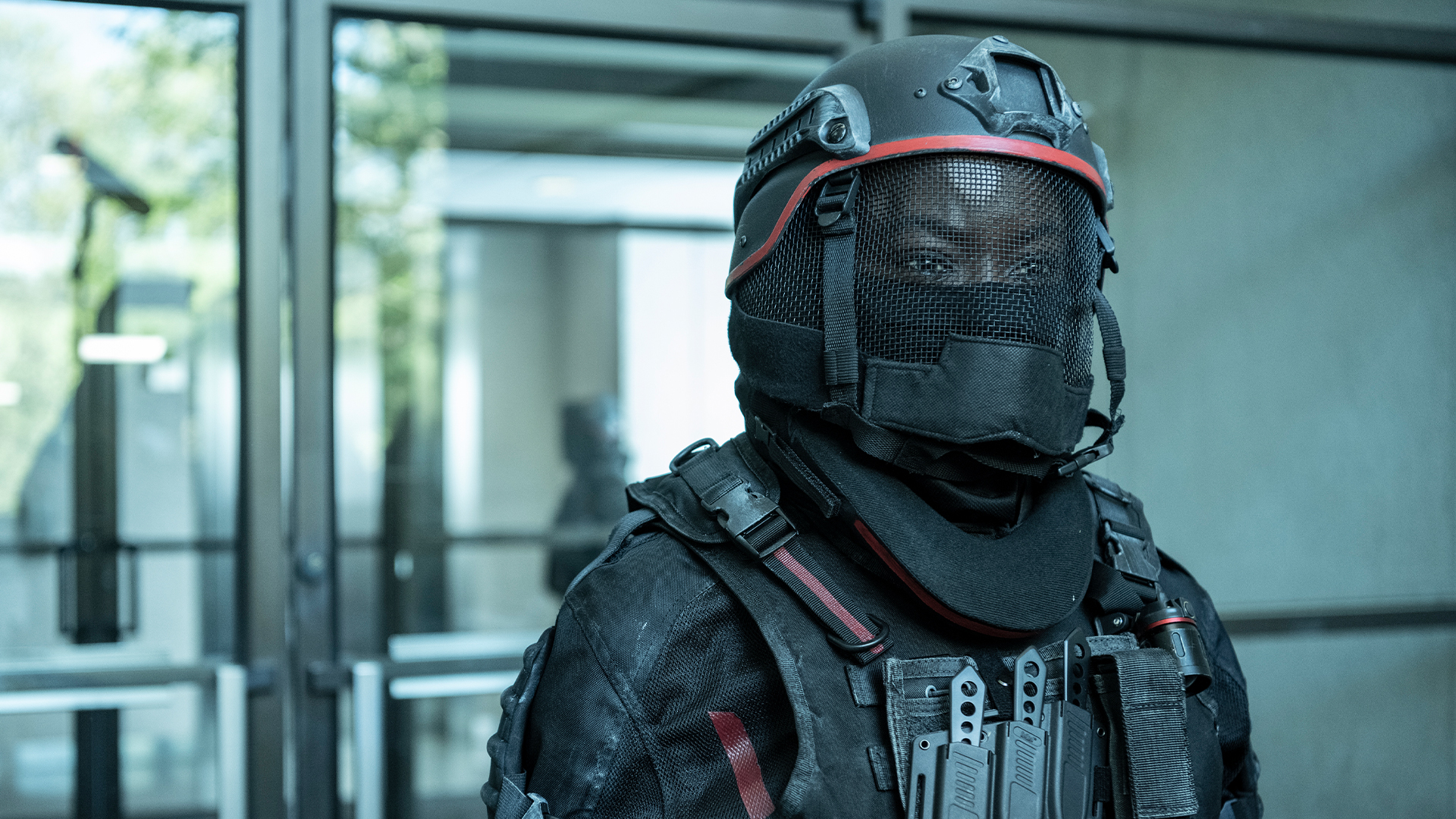
S1, E6
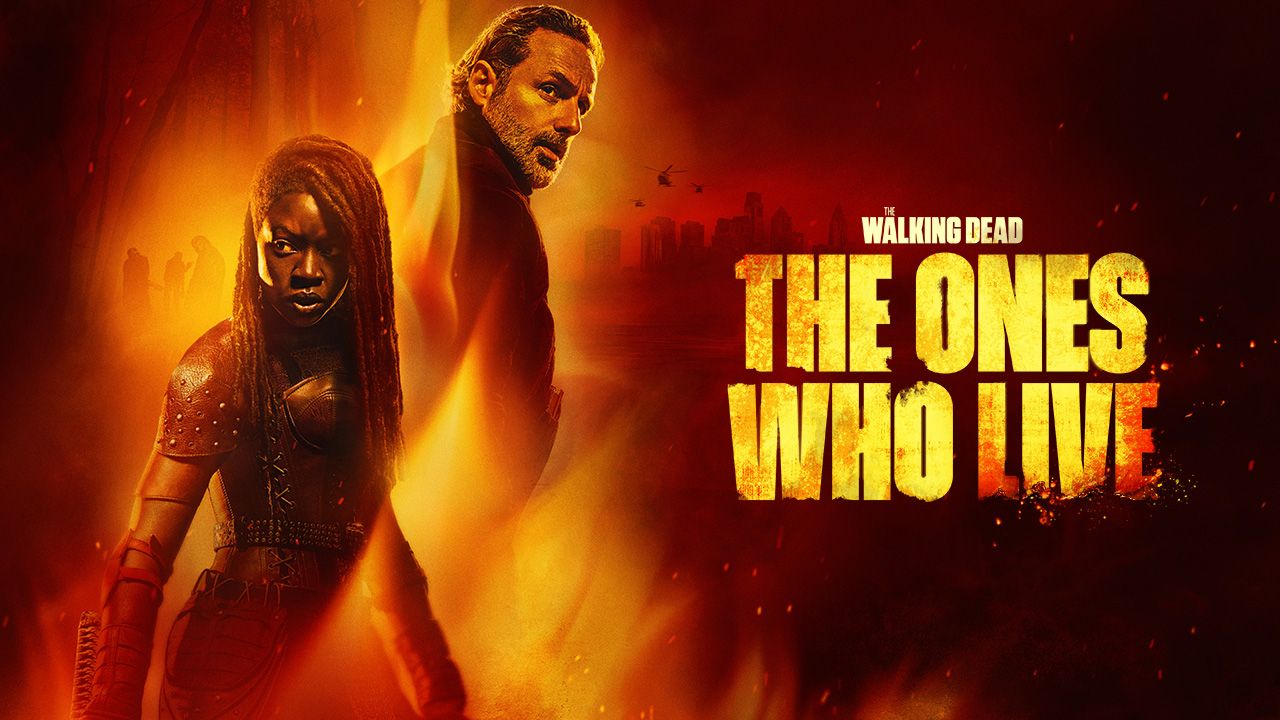
The Walking Dead: The Ones Who Live
Rick and Michonne have to perform a near-impossible miracle.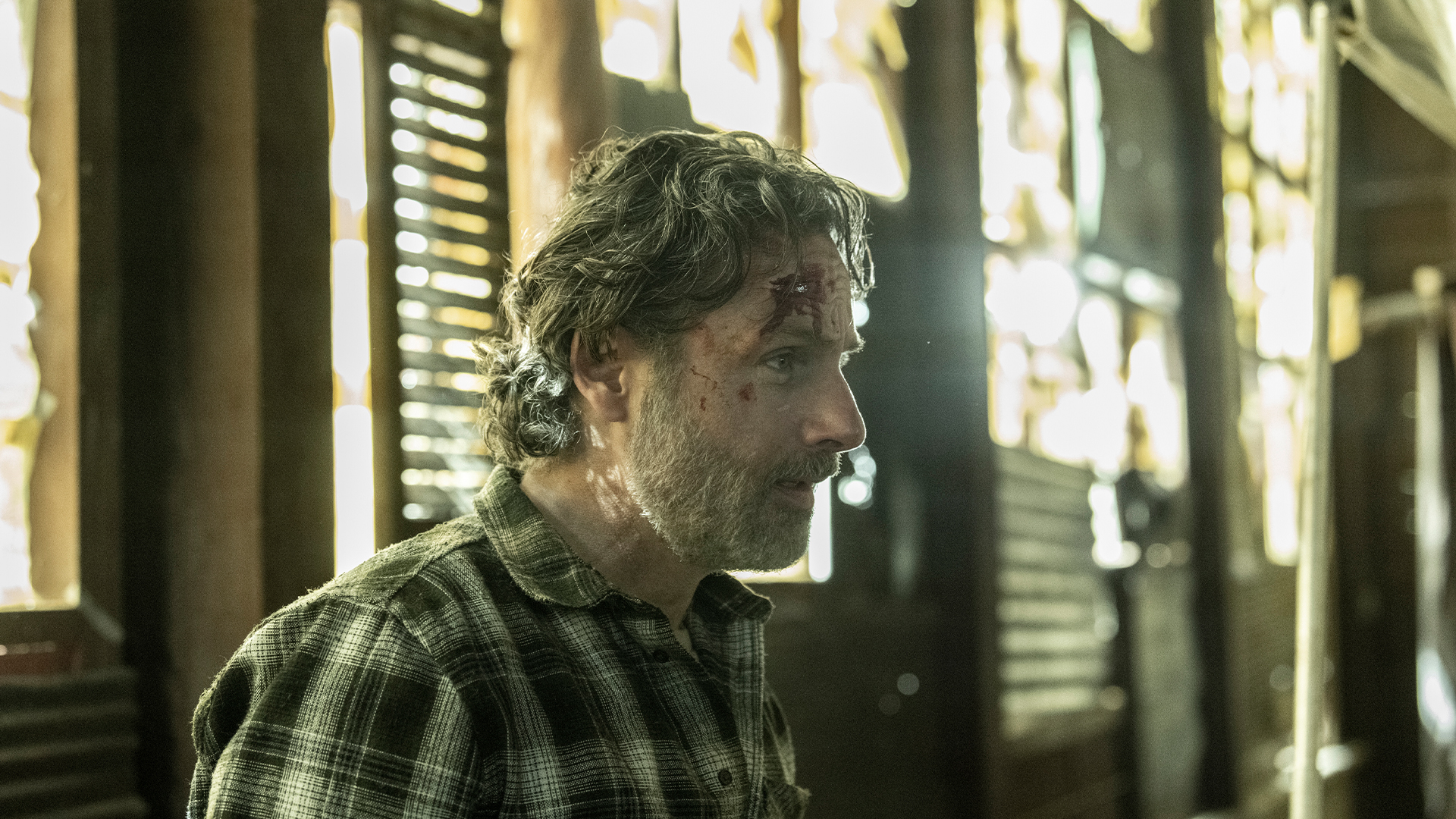
S1, E5
The Walking Dead: The Ones Who Live
Dangerous people make Rick and Michonne's journey difficult.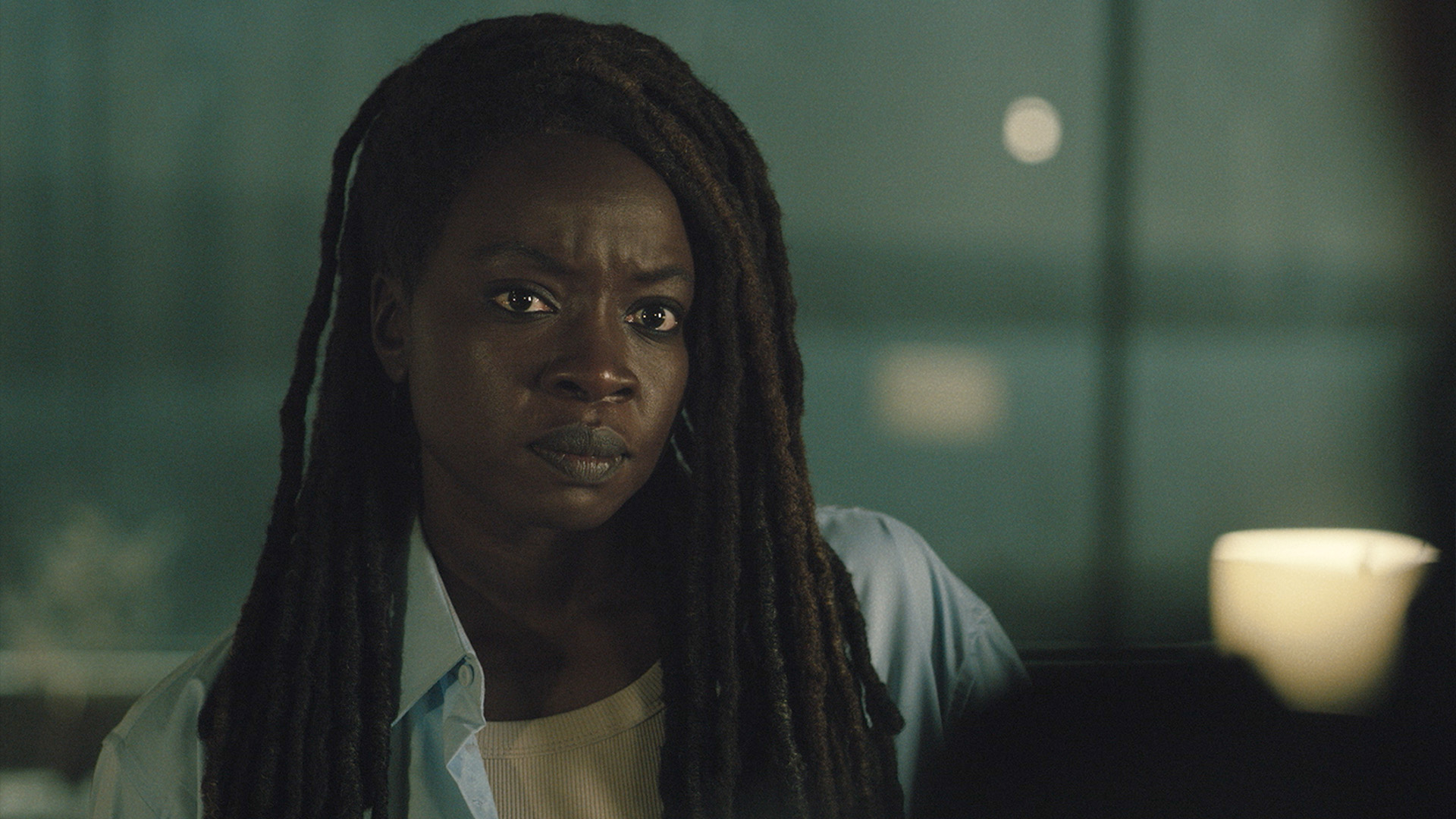
S1, E4
The Walking Dead: The Ones Who Live
Rick and Michonne try to find the love they had.
S1, E3
The Walking Dead: The Ones Who Live
Rick and Michonne have to find a way to survive.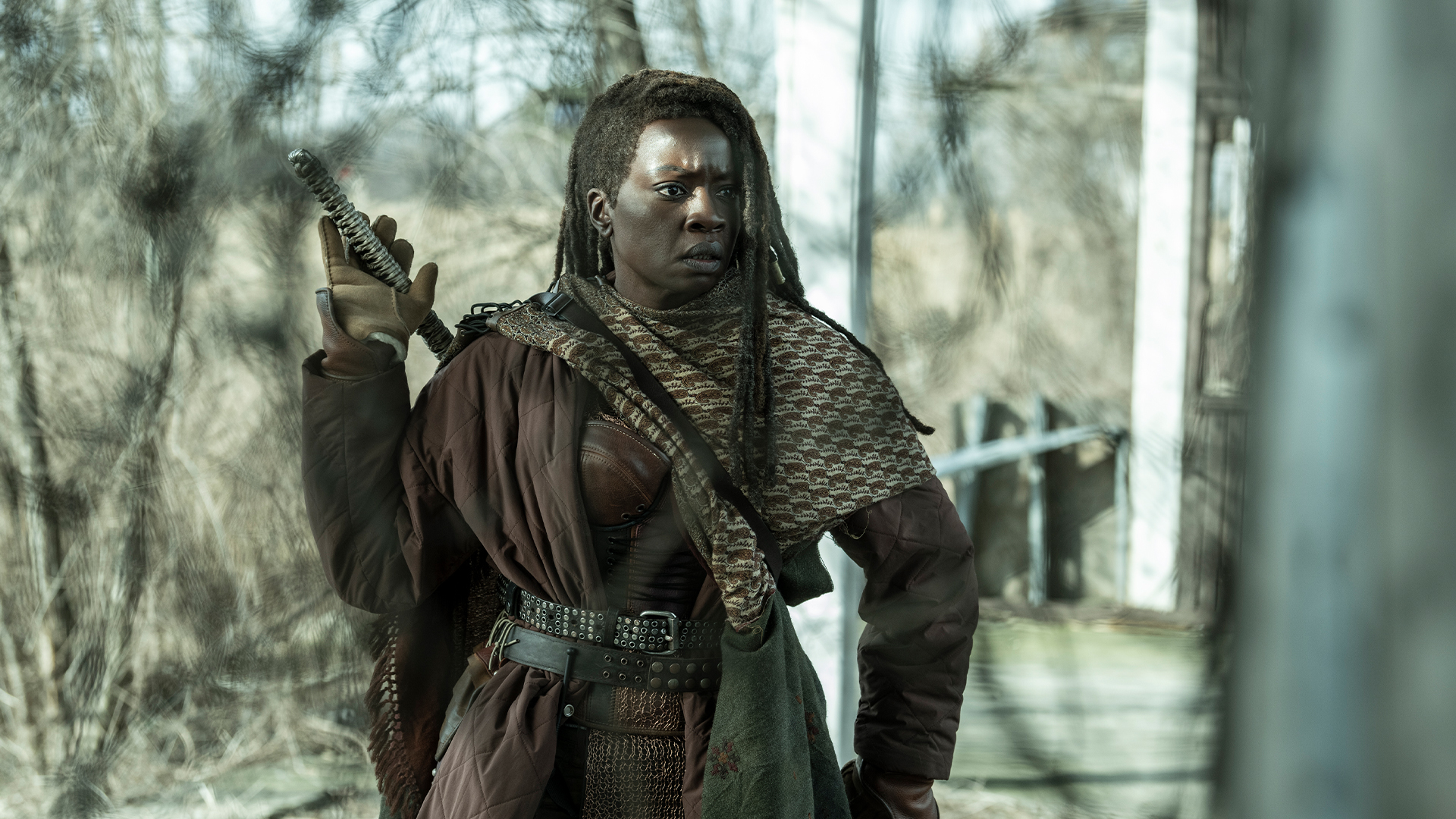
S1, E2
The Walking Dead: The Ones Who Live
Michonne finds unexpected help on her search for Rick.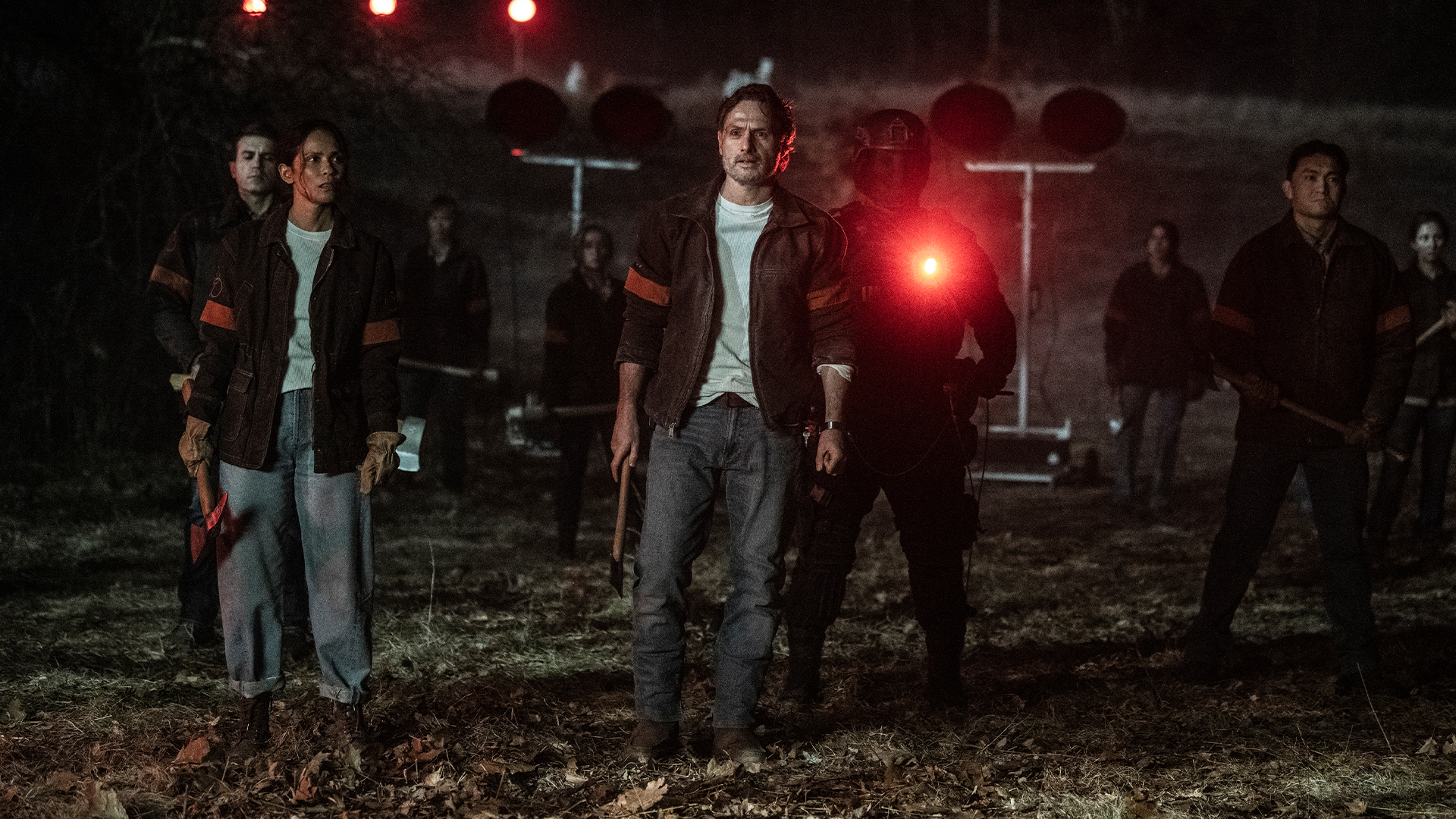
S1, E1
The Walking Dead: The Ones Who Live
Rick tries to find his place in a new world.
S1, E1
The Walking Dead: Best of Michonne
Relive Michonne's best moments in this iconic episode from Season 3. The group attempts to secure a new home.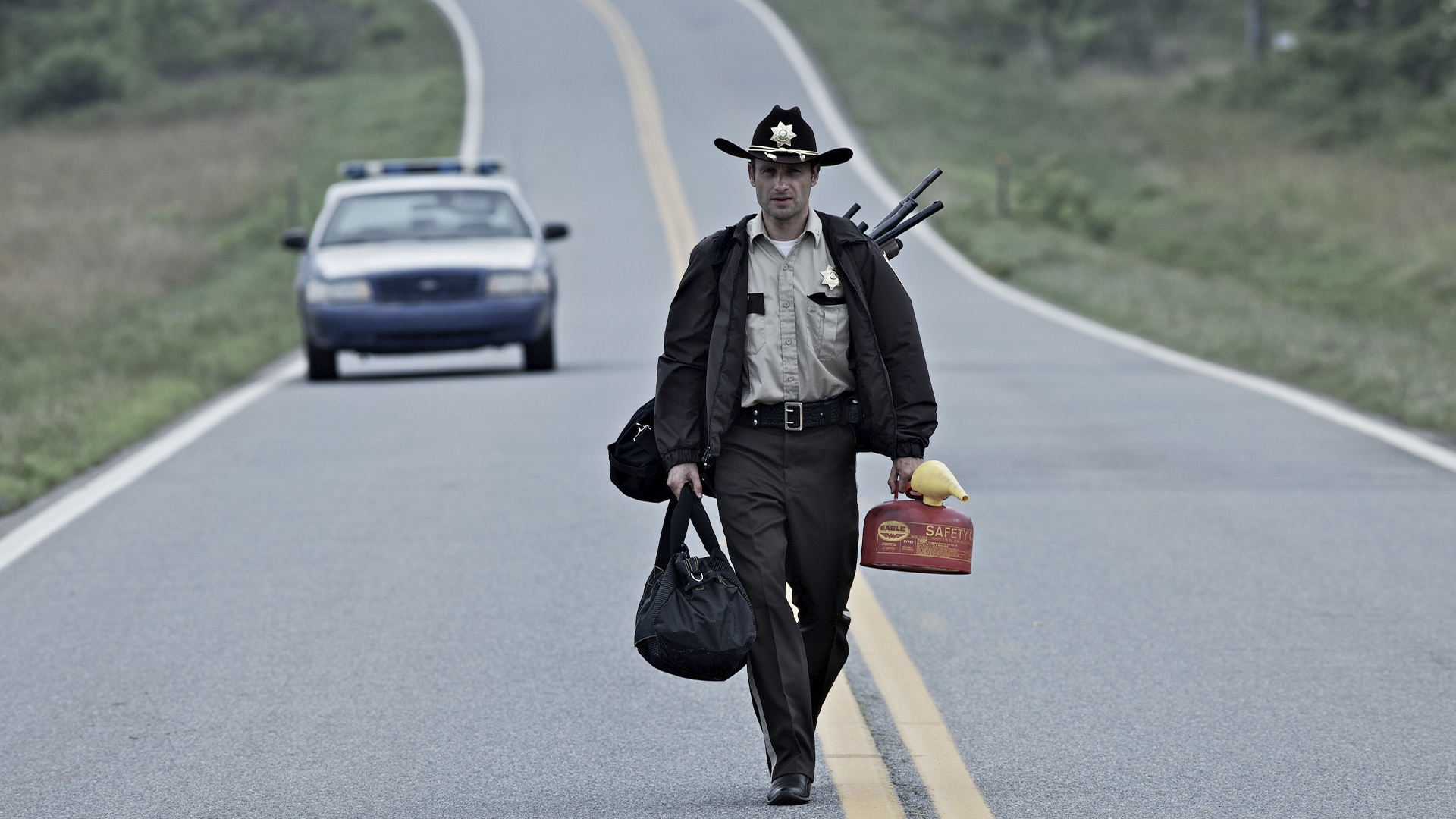
S1, E1
The Walking Dead: Best of Rick
Relive Rick's best moments in this iconic episode from Season 1. Rick wakes in a changed world.Featured Shows

Binge Season 1
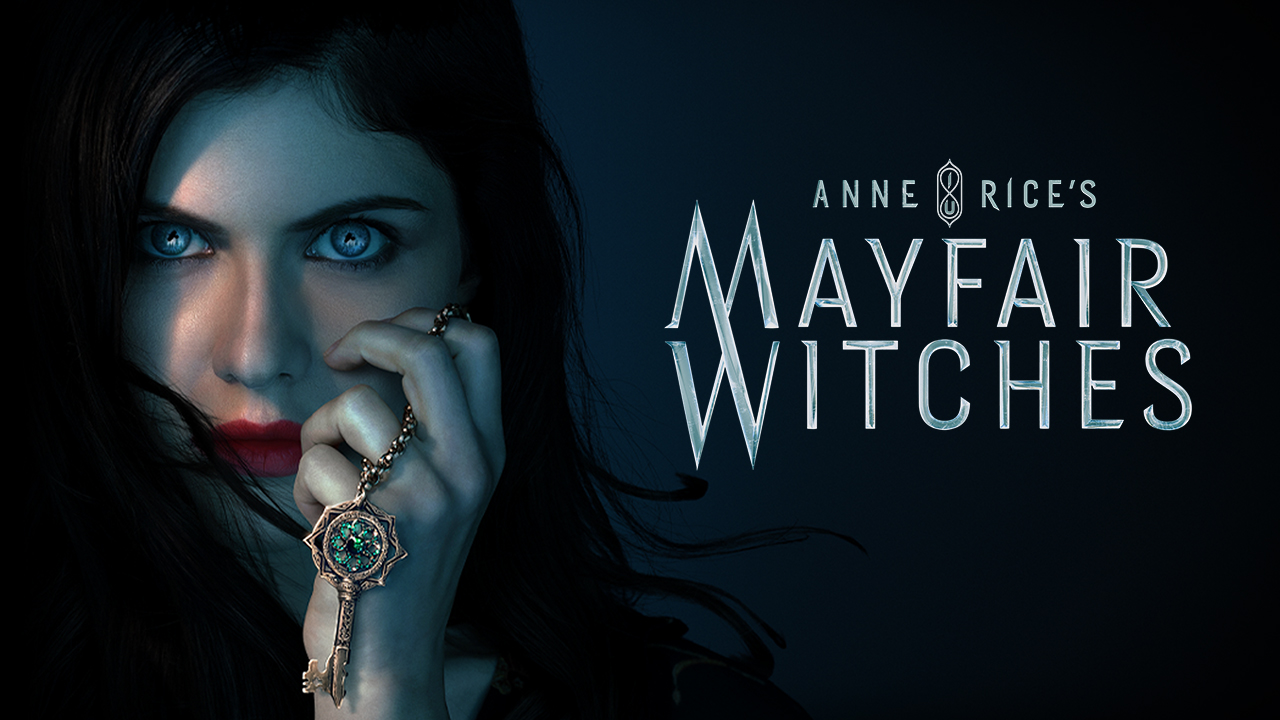
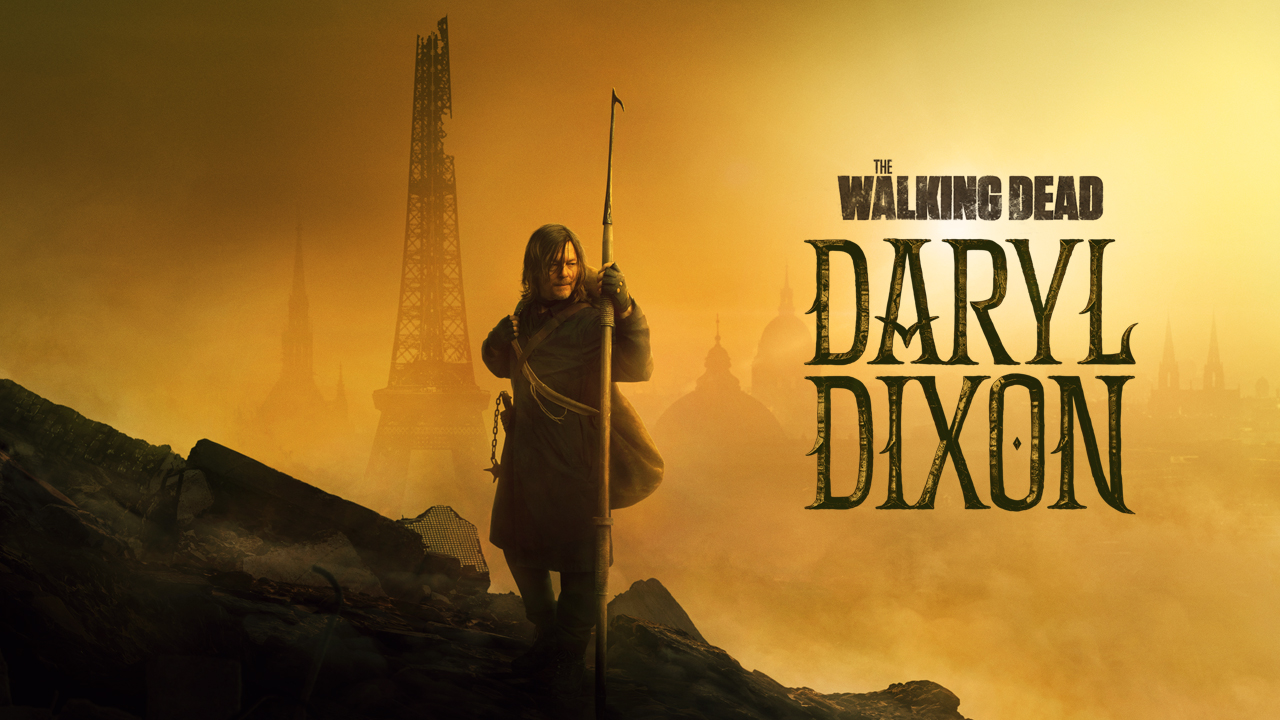
Mayfair Witches
Based on Anne Rice’s bestseller, this dark drama follows a neurosurgeon who learns she is heir to a family of witches. Starring Alexandra Daddario (The White Lotus) and Harry Hamlin (Mad Men).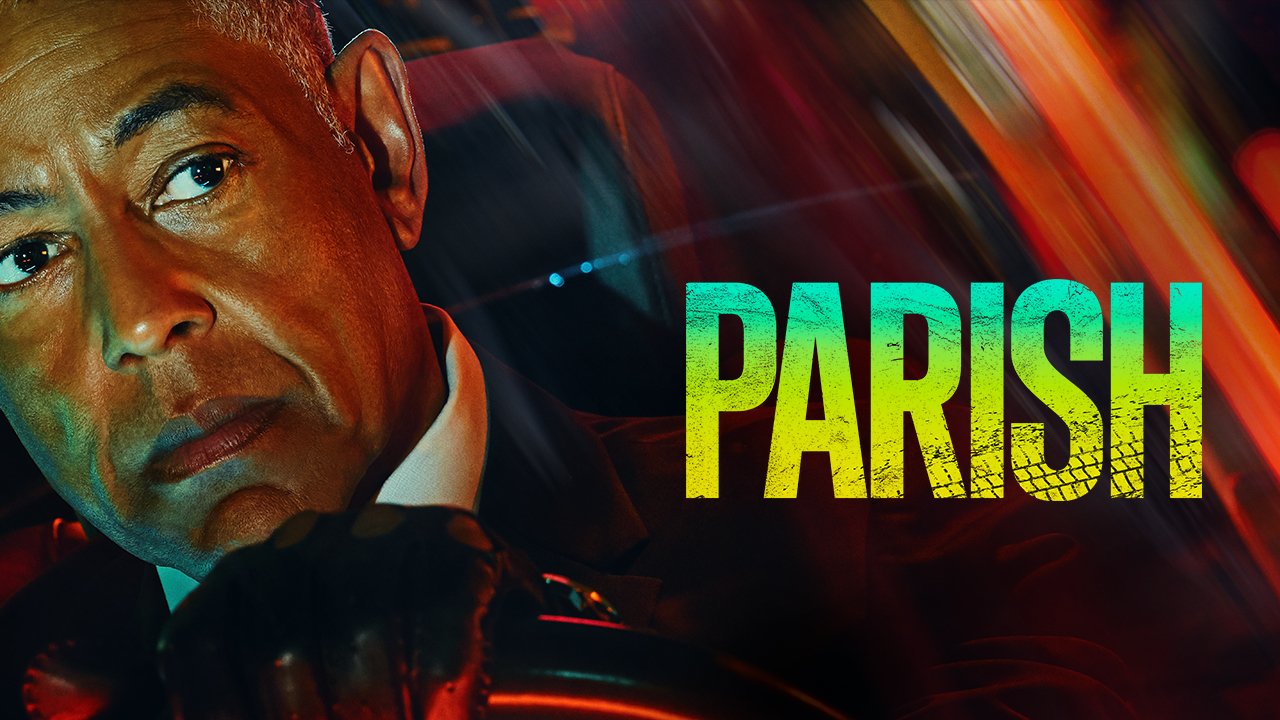


Watch Now
The Walking Dead: Best of Michonne
Look back at Michonne's biggest moments with a collection of her iconic episodes from The Walking Dead.

Lap of Legends
The first ever real vs. virtual race. Andretti, Mansell, Prost, Hill, Villeneuve, and Button will return to the track as AI racers. To compete against one real driver: Logan Sargeant.

Fear the Walking Dead: Best of Alicia
Relive Alicia's best moments with a collection of her iconic episodes from Fear the Walking Dead.
Fear the Walking Dead: Best of Madison
Relive Madison's best moments with a collection of her iconic episodes from Fear the Walking Dead.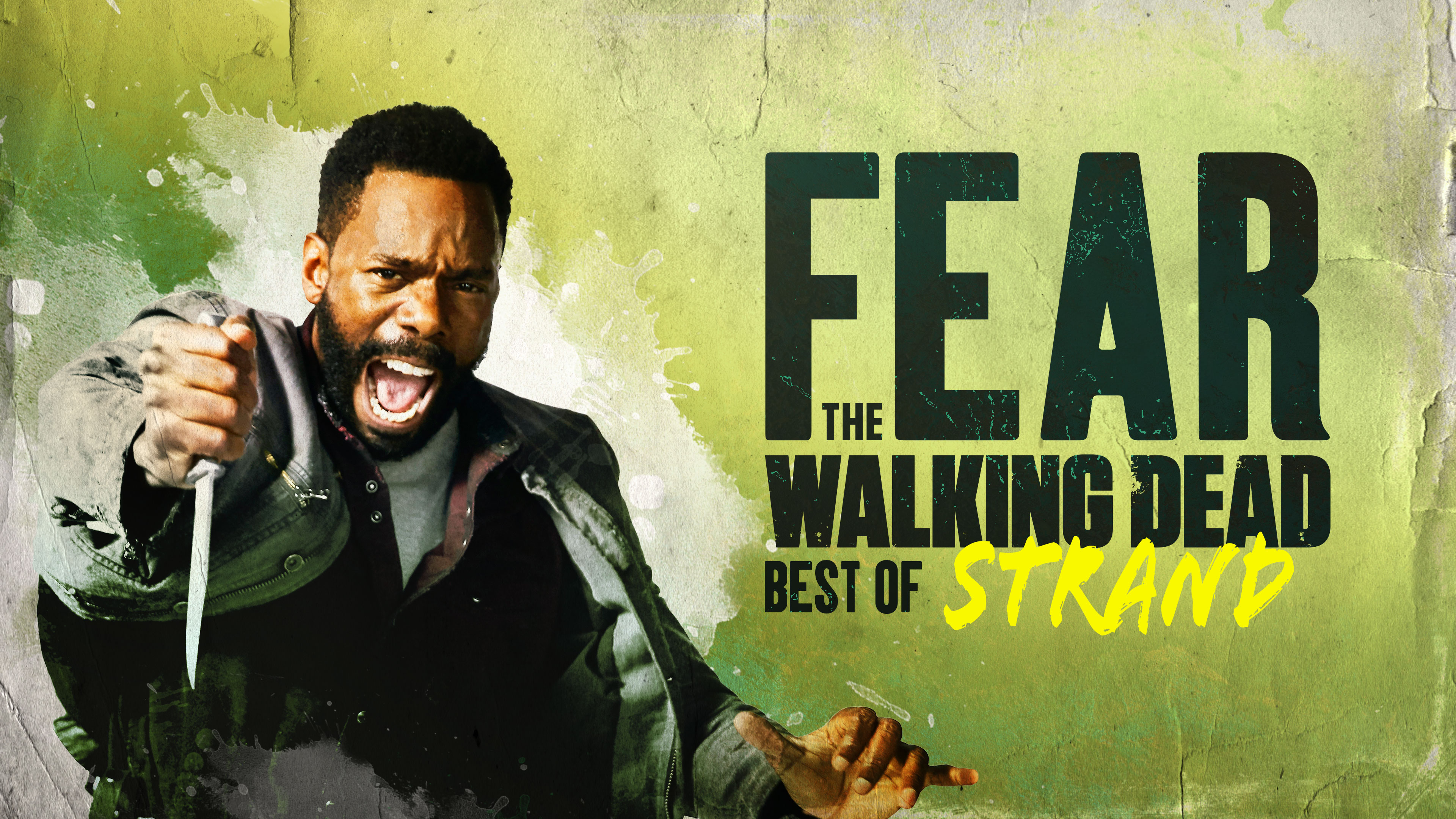
Fear the Walking Dead: Best of Strand
Relive Strand's best moments with a collection of his iconic episodes from Fear the Walking Dead.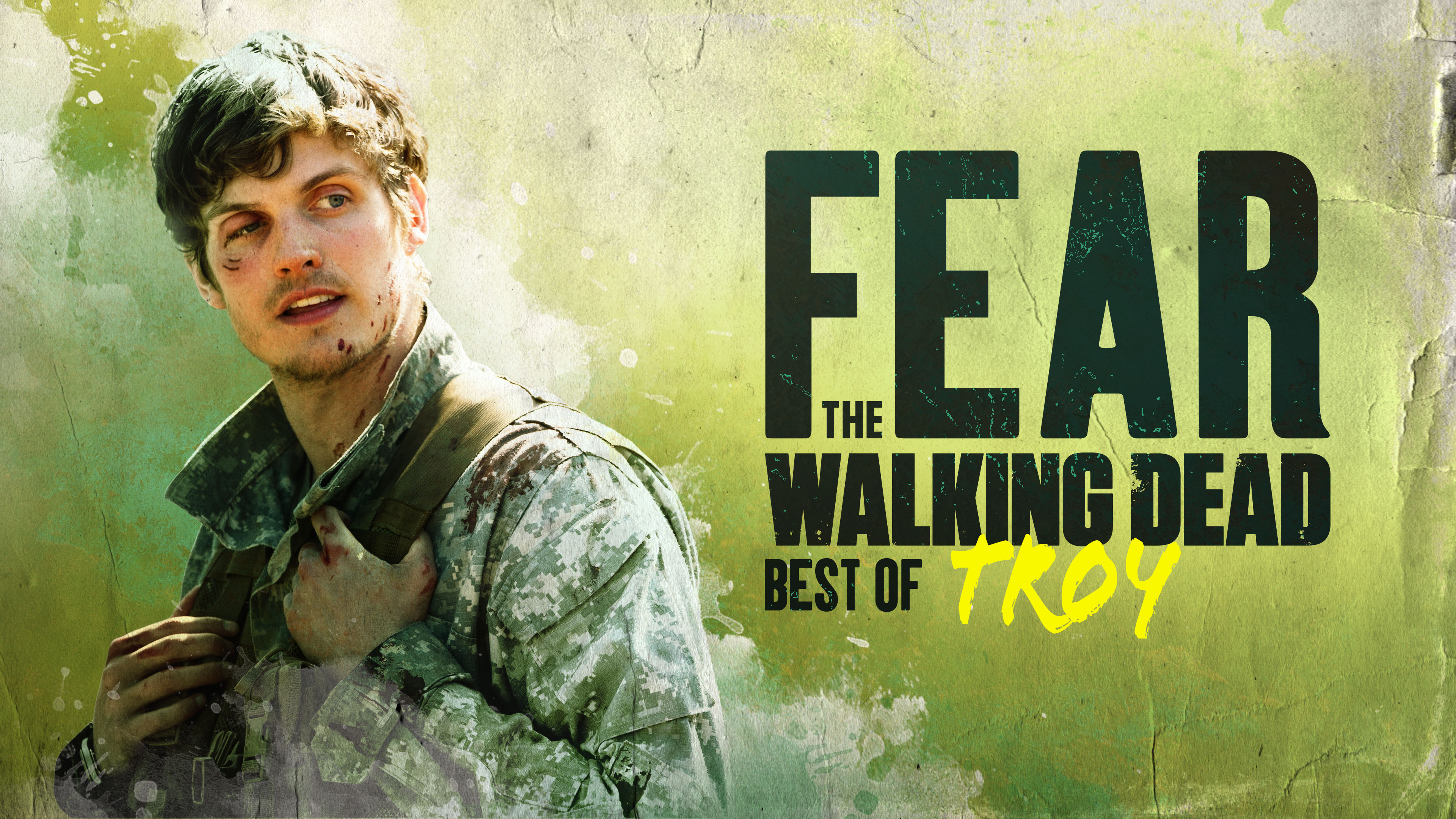
Fear the Walking Dead: Best of Troy
Relive Troy's best moments with a collection of his iconic episodes from Fear the Walking Dead.



Watch Full Episodes
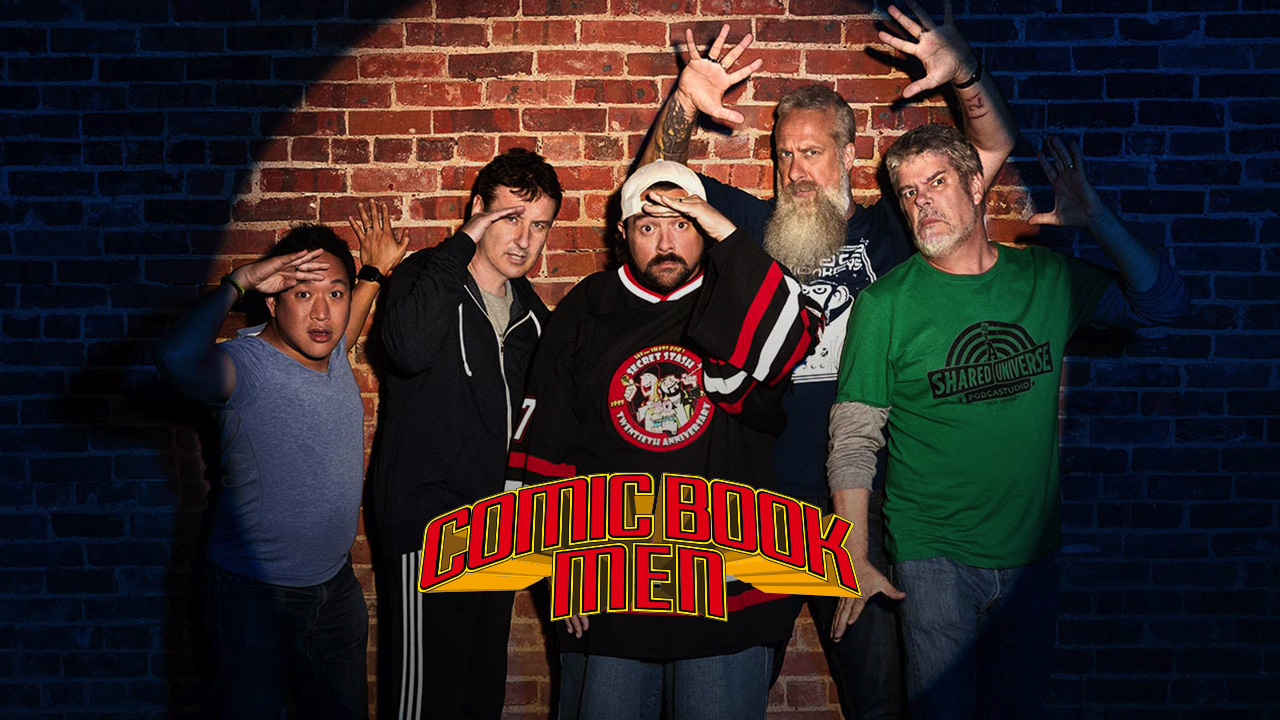
Comic Book Men
AMC's new unscripted series Comic Book Men follows the antics in and around master fanboy Kevin Smith's New Jersey comic shop where staff and customers geek out over pop culture artifacts and the legends behind them.
AMC Shop





Featured Extras
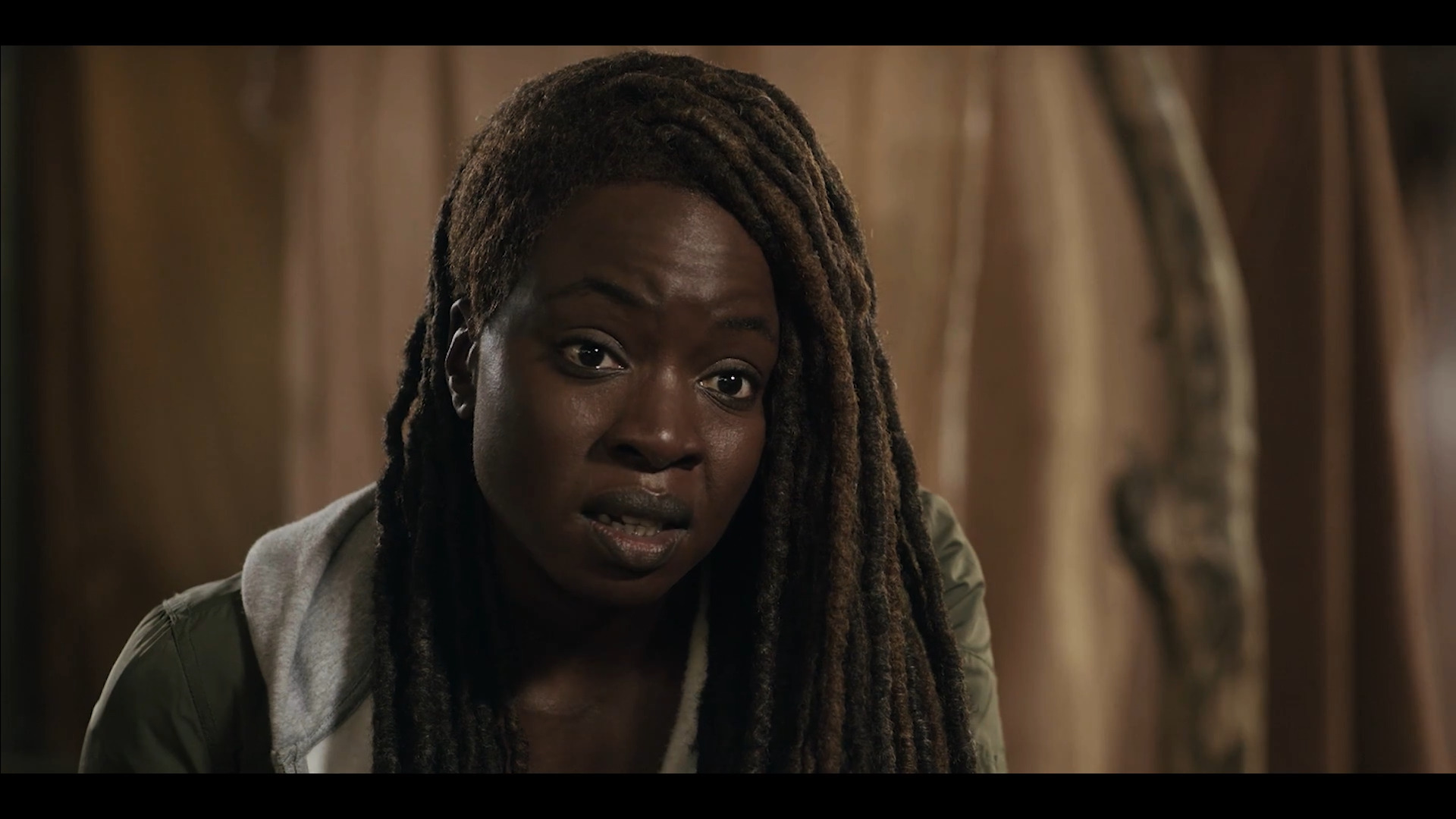
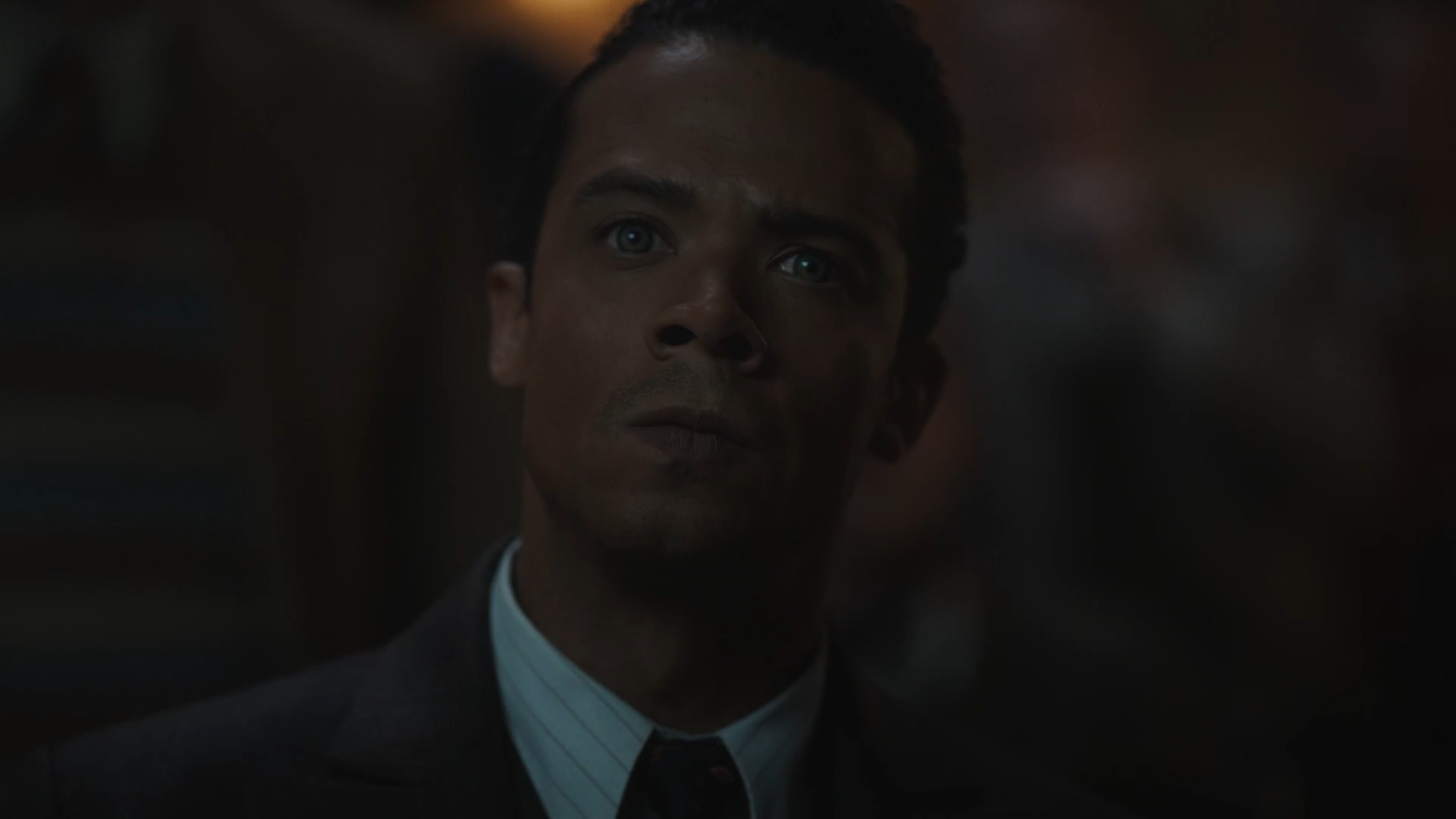
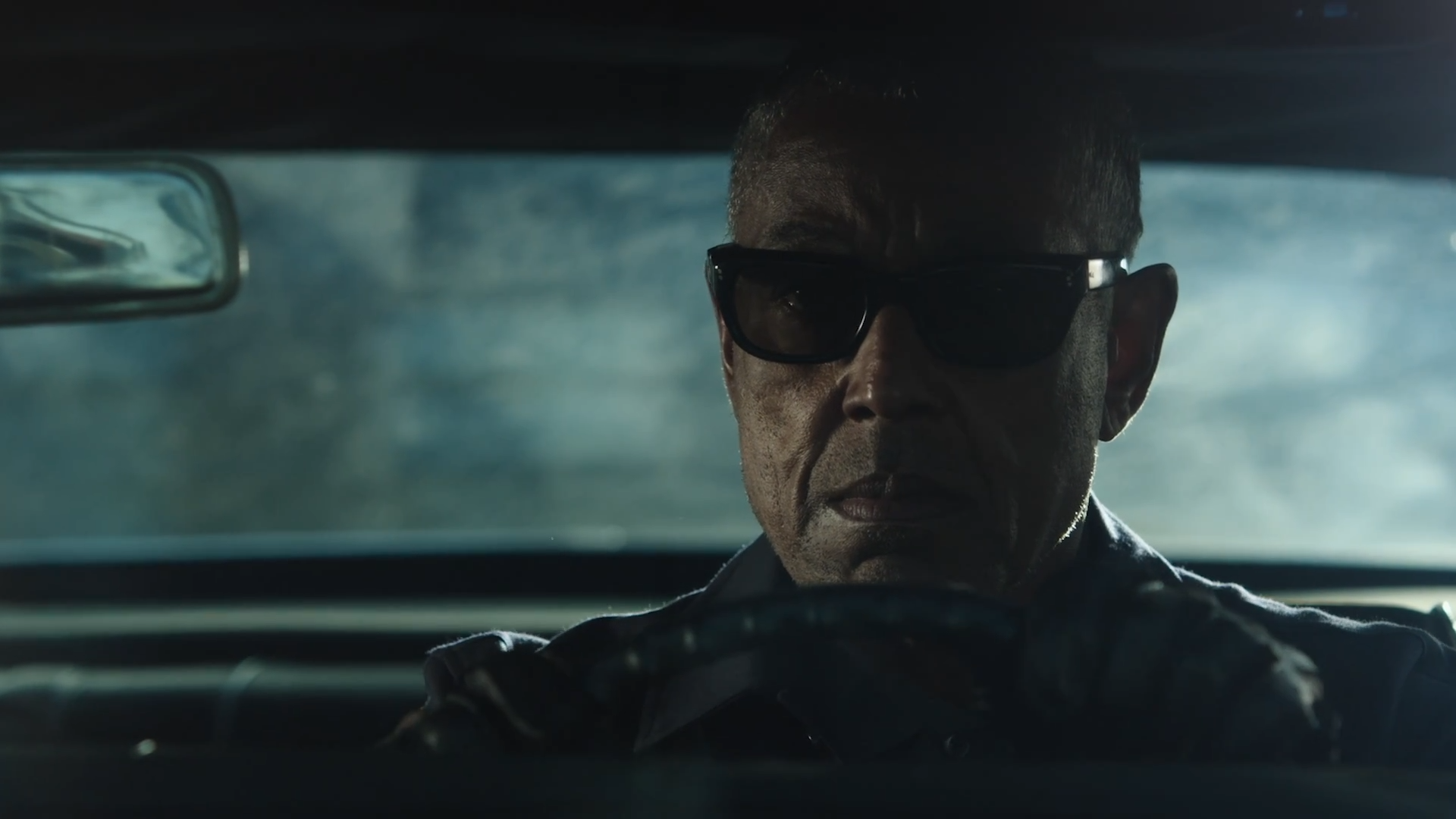
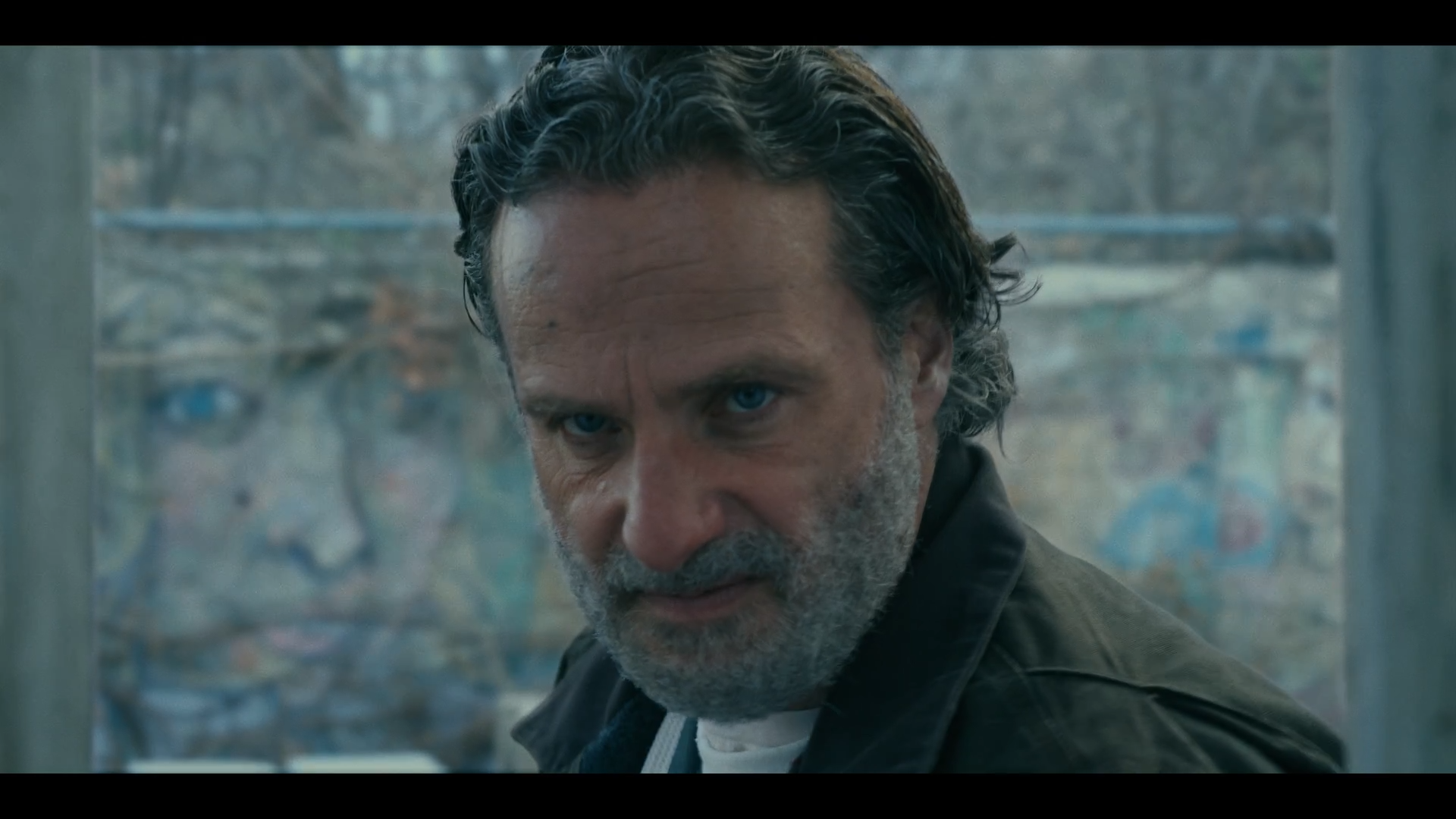
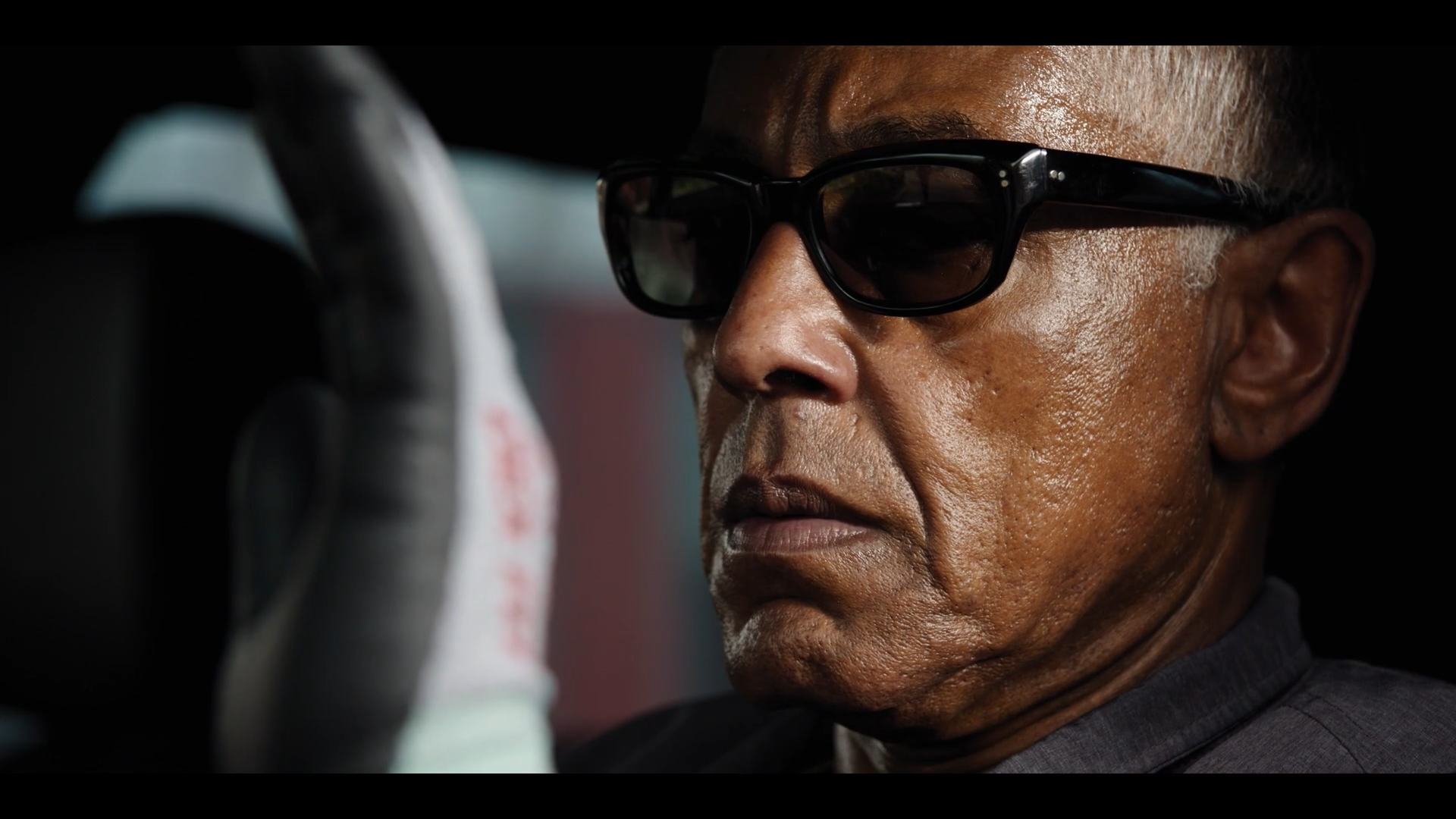
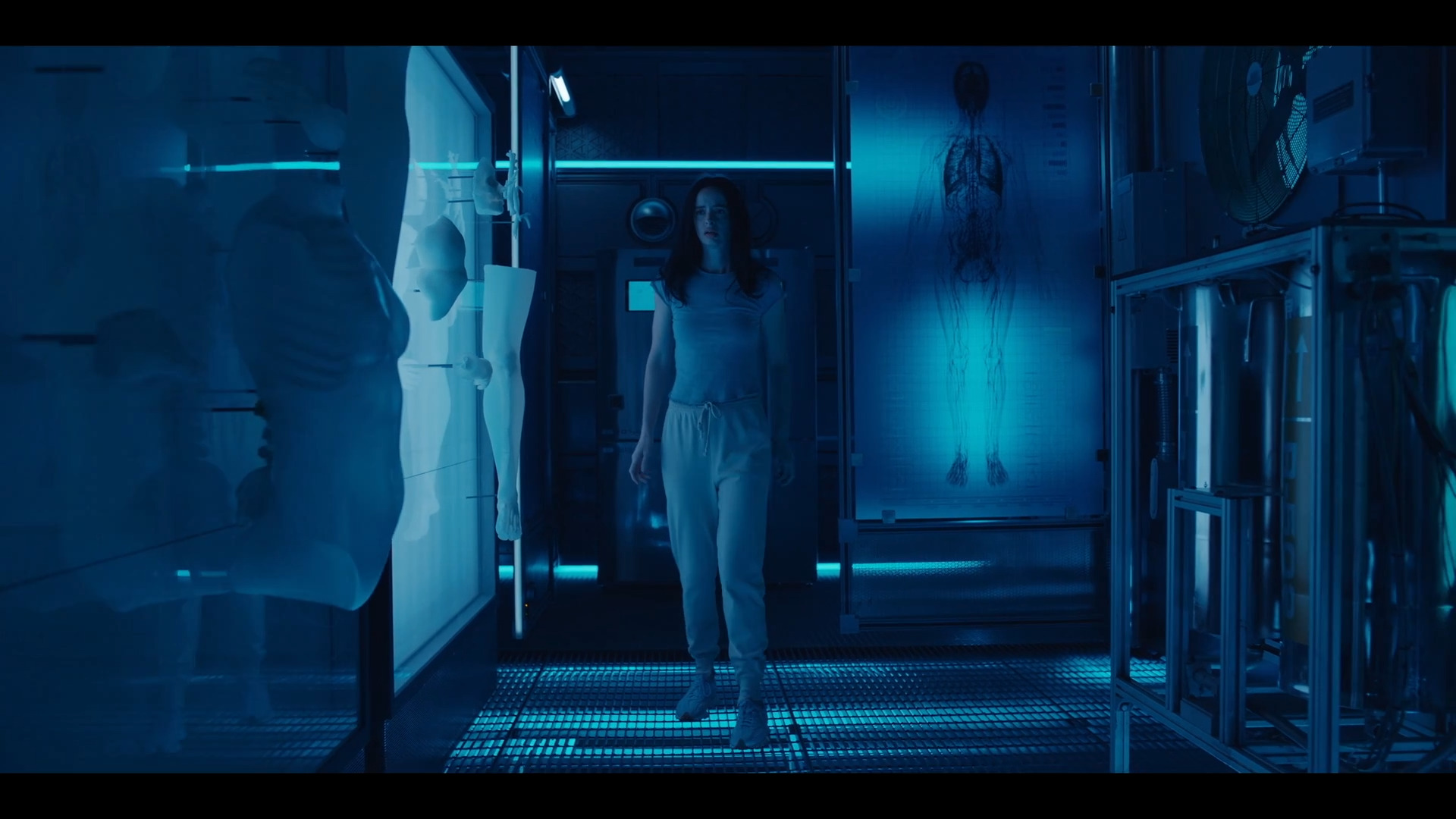
AMC Talk

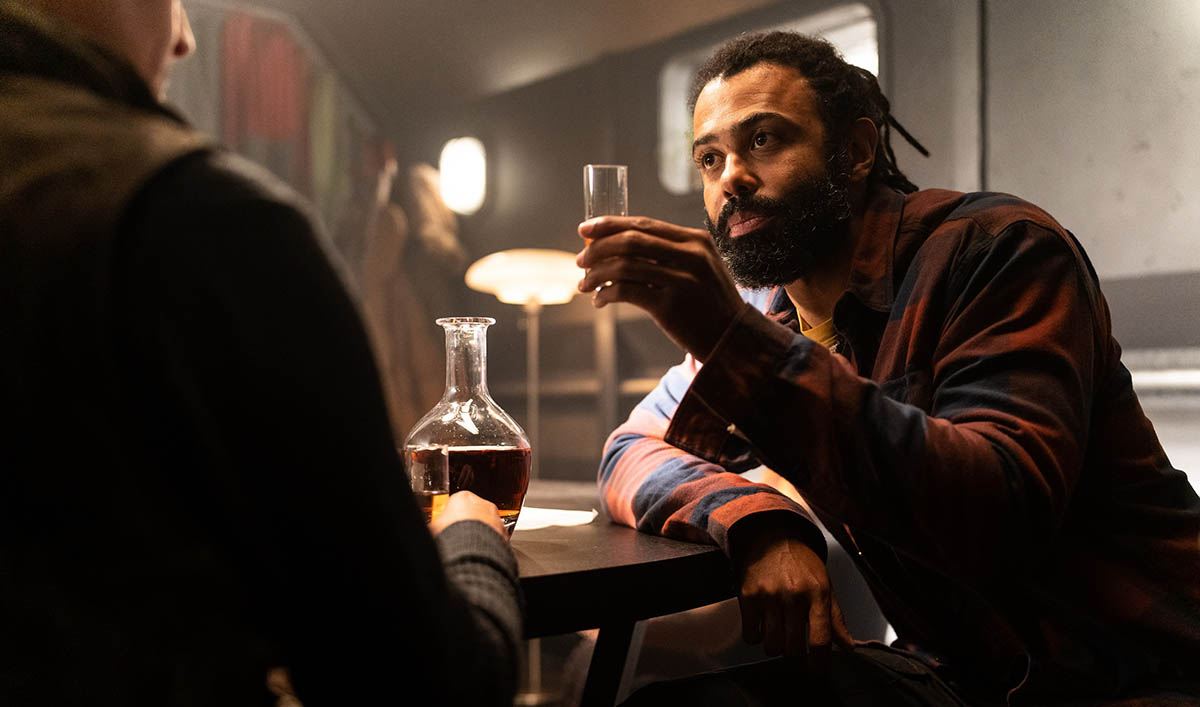
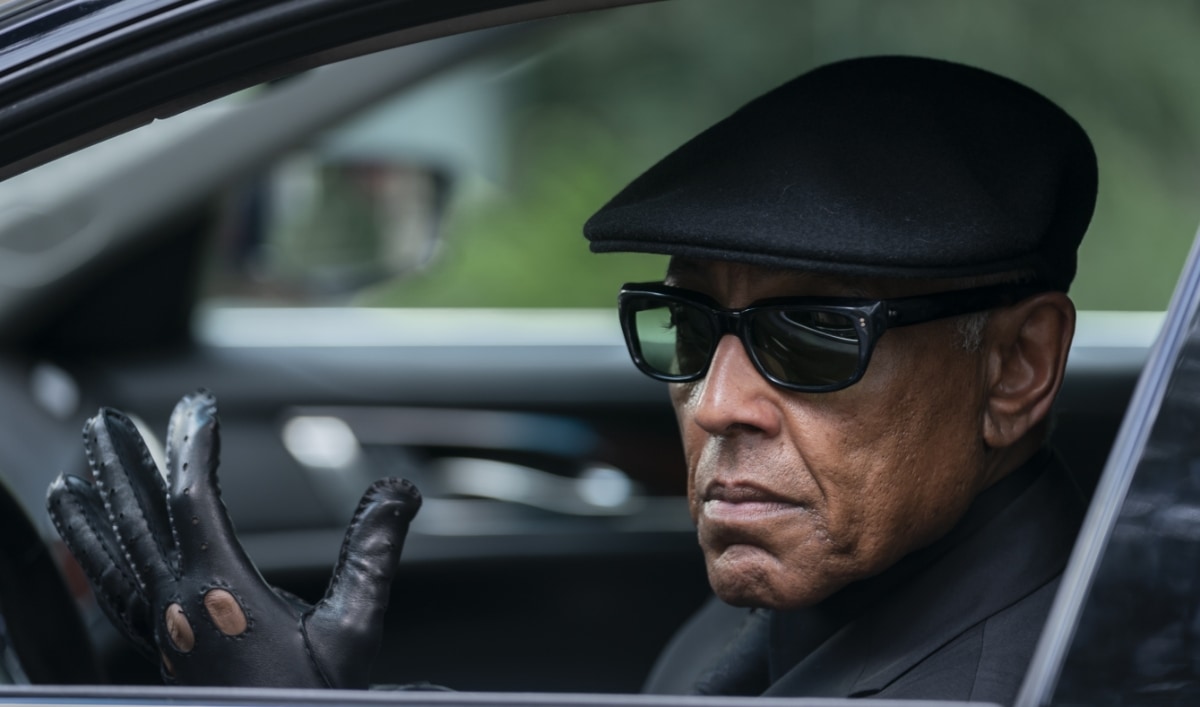
Shop TWD Universe






Popular Movies
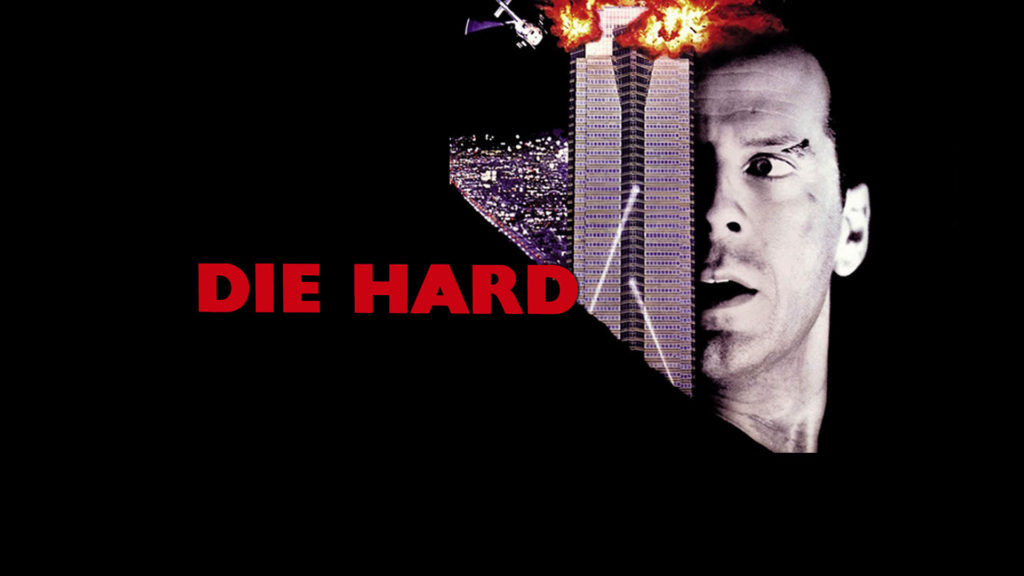
Die Hard
A New York policeman (Bruce Willis) outwits foreign thugs holding his wife and others hostage in an exclusive Los Angeles high-rise during a Christmas Eve party.
Die Hard 2
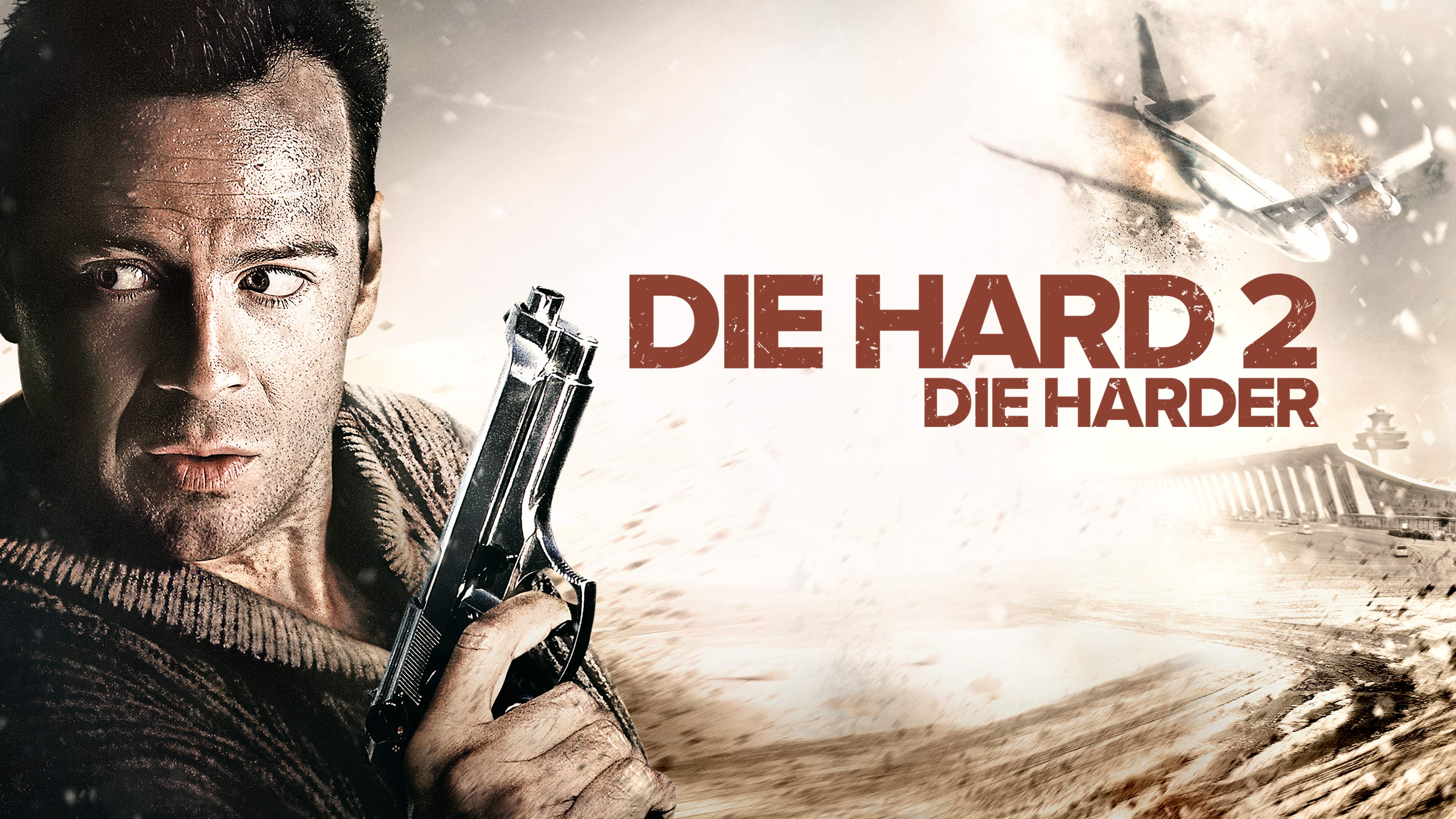
John McClane attempts to avert disaster as rogue military operatives seize control of Dulles International Airport in Washington, D.C.
Die Hard with a Vengeance
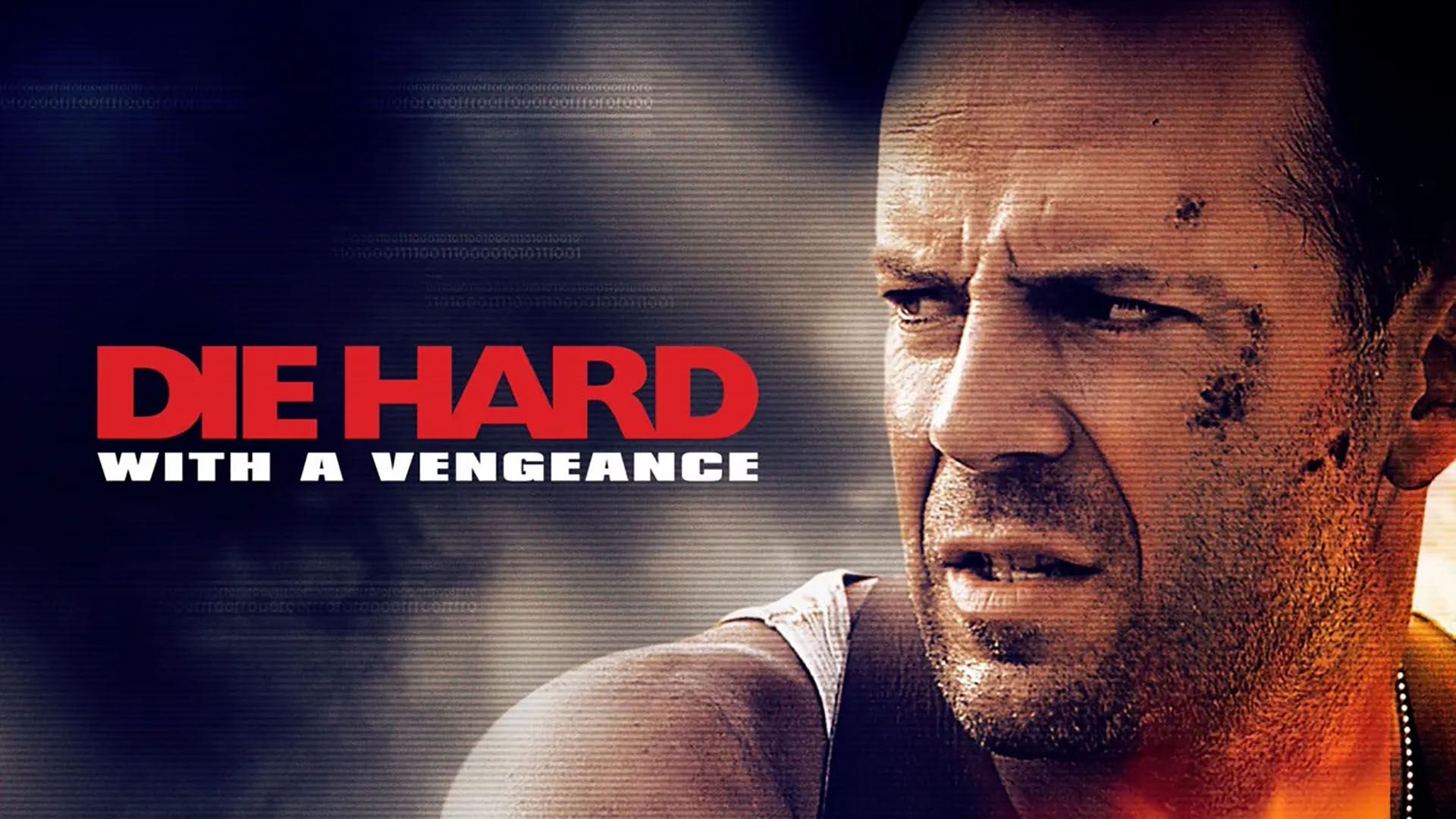
Suspended from the police force, John McClane (Bruce Willis) enlists a Harlem shopkeeper to help stop a terrorist bomber.
The Fifth Element
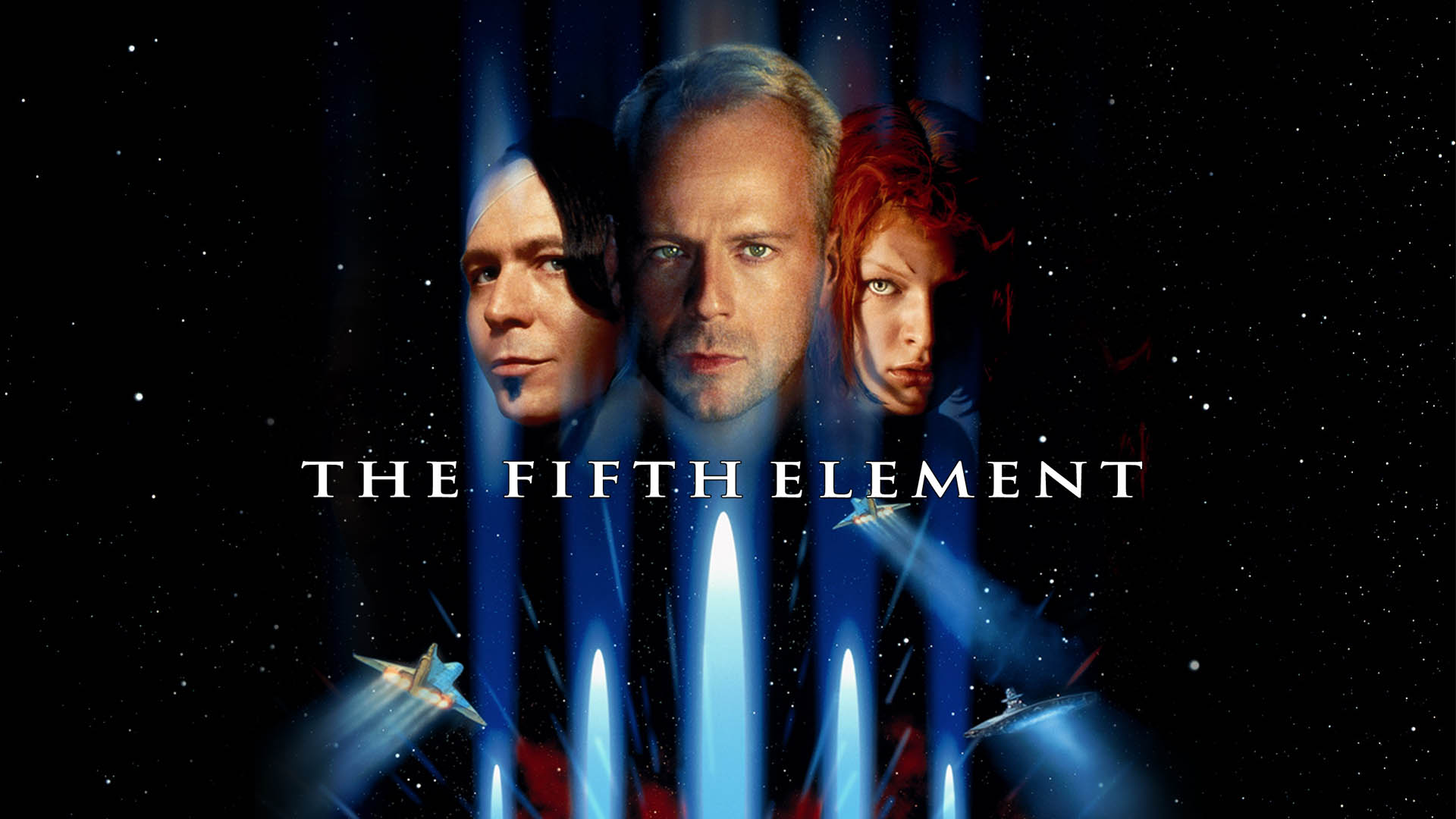
In the colorful future, a cab driver unknowingly becomes the center of the search for a legendary cosmic weapon to keep Evil and Mr. Zorg at bay.
My Cousin Vinny
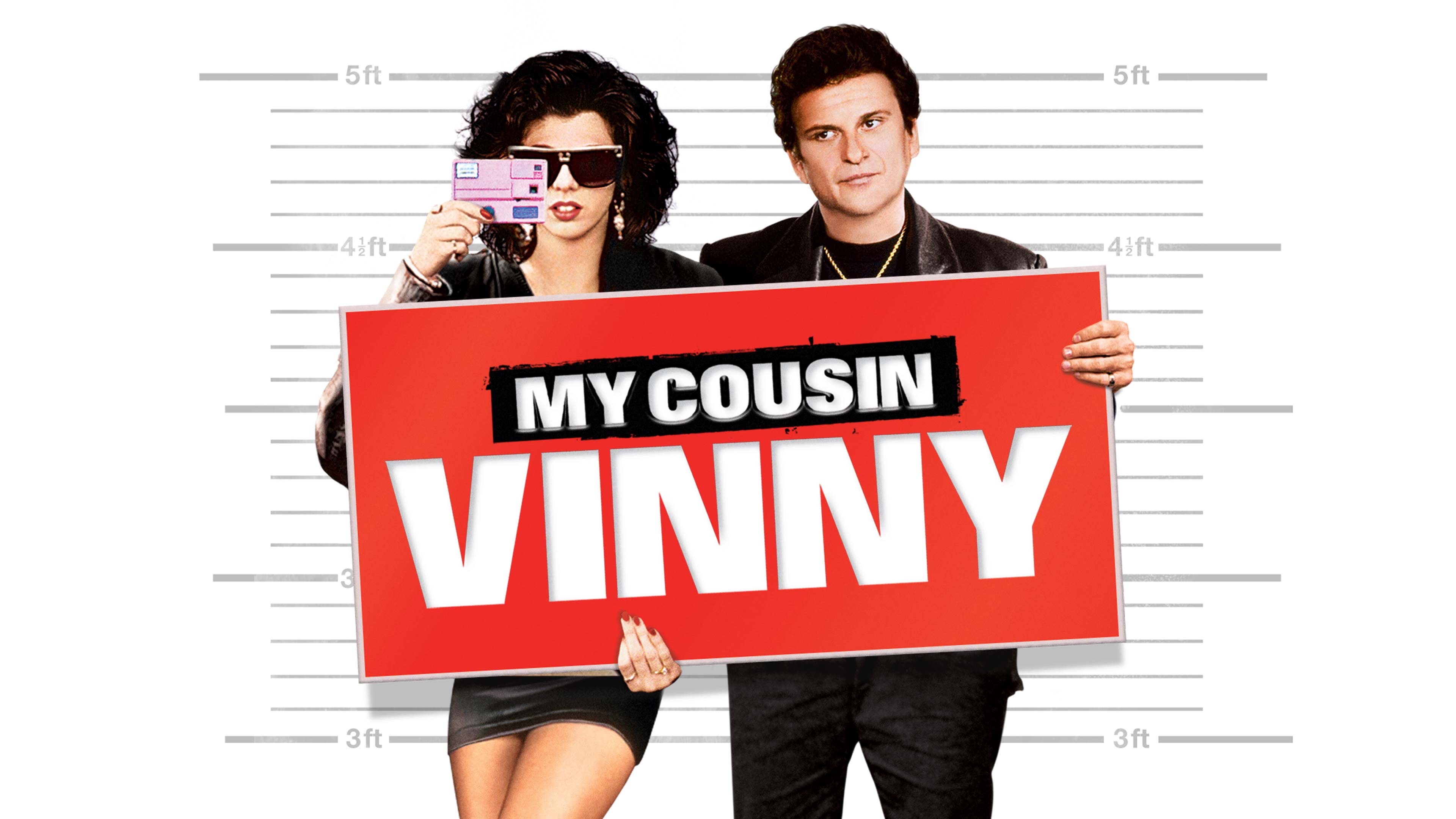
When Bill Gambini and his friend are mistakenly charged with murder while traveling through Alabama, it's up to his lawyer cousin Vinny to try to help overturn the conviction.

Braveheart
Sir William Wallace begins a revolt against King Edward I of England after the woman close to him is unfairly punished.